Restaurants in Palma Old Town at a Glance
- Best for tapas: the lanes of La Lonja and the bars of the Mercat de l’Olivar.
- Best for traditional Mallorcan food: the old cellers, the wine-cellar restaurants of the Old Town.
- Best for fine dining: Michelin-starred Marc Fosh, in a former convent in the Old Town.
- Best for breakfast: an ensaimada and hot chocolate in a historic café.
- Casa Roca: the Capitulo bar serves breakfast from 08:30 and Mallorcan wine and tapas until 23:00, open to everyone.
The question we hear most at the Capitulo bar each evening is where to eat tonight. We live and work on Carrer dels Hostals, two minutes from Plaça Major, and the best restaurants in Palma Old Town are all within a short walk of our door, from market counters and tapas bars to old wine cellars and a Michelin-starred dining room. These are the places we send guests to, and the dishes worth ordering when you get there.
Mallorcan food is built on the sea, the land and centuries of Arab, Catalan and Spanish cooking. The Mediterranean brings fish and shellfish every morning, the island’s interior produces lamb, pork, almonds, figs, oranges and some of the best tomatoes in Spain, and the cooking knows how to treat all of it simply. Eating well is one of the great pleasures of a stay among the sights of Palma Old Town.
Map of Restaurants in Palma Old Town
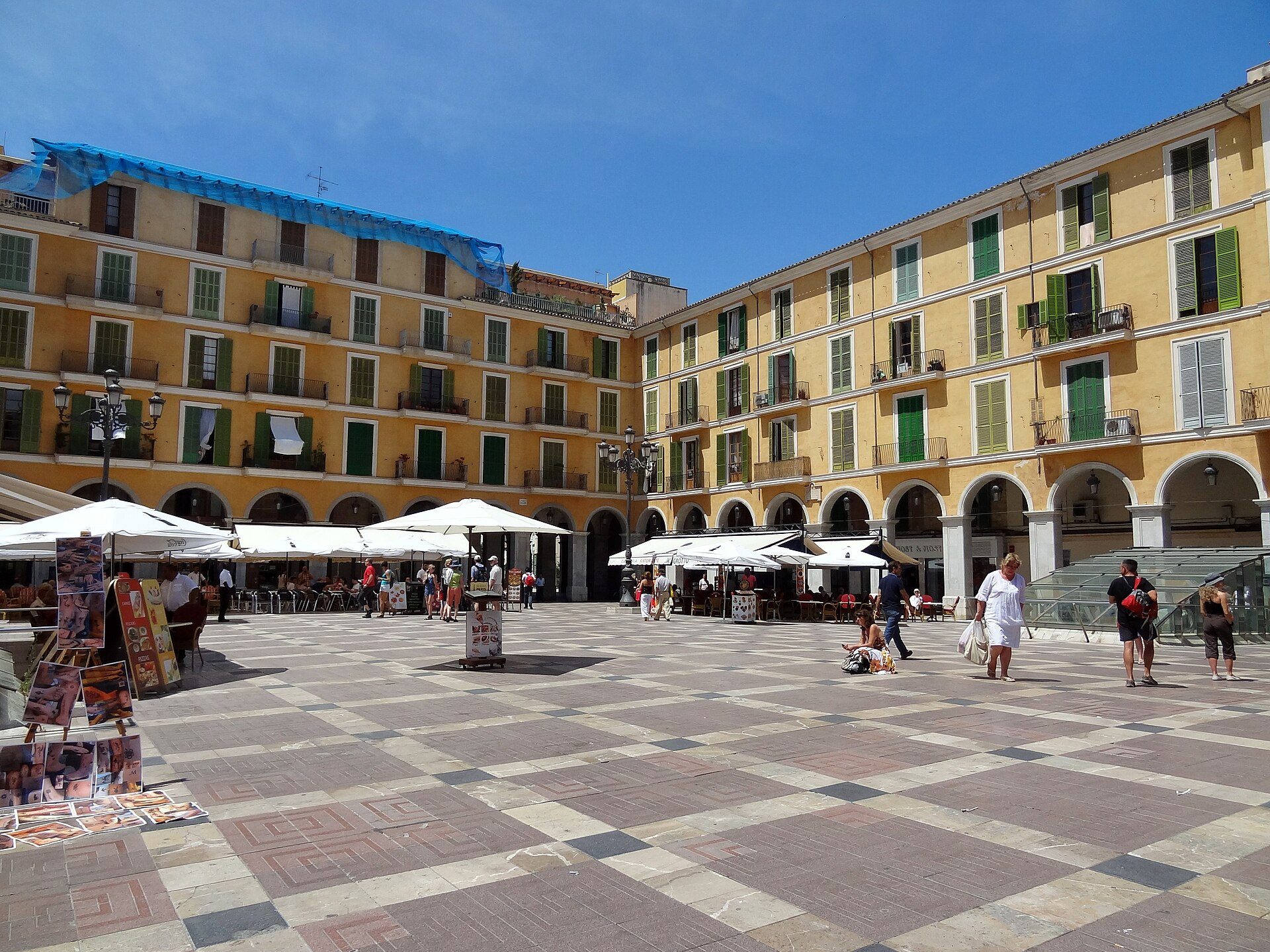
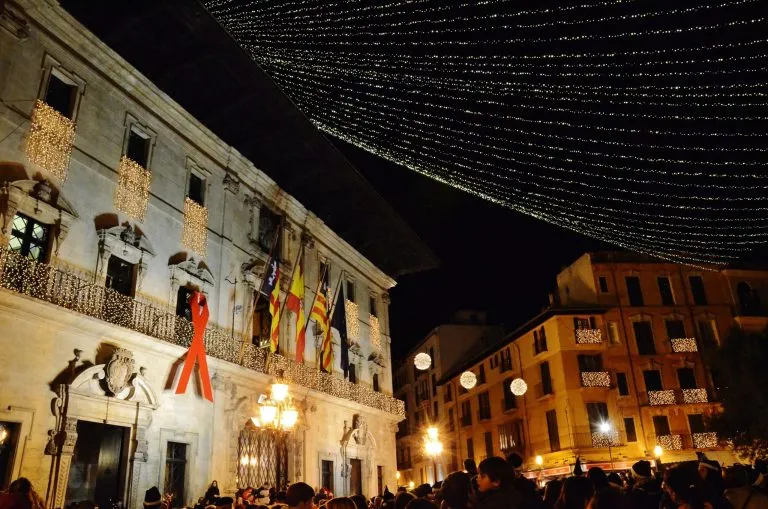
The Old Town has three main eating areas. Around Plaça Major and the Olivar market are the cafés, the market tapas bars and the traditional restaurants. The lanes behind the cathedral, around Santa Eulàlia and Carrer de la Portella, hold small lunch restaurants with set menus. La Lonja, between the Born and the sea, is the tapas and dinner quarter. The map is centred on Plaça Major, at the heart of all three.
Casa Roca Restaurant: Tapas and Mallorcan Wine at Capitulo
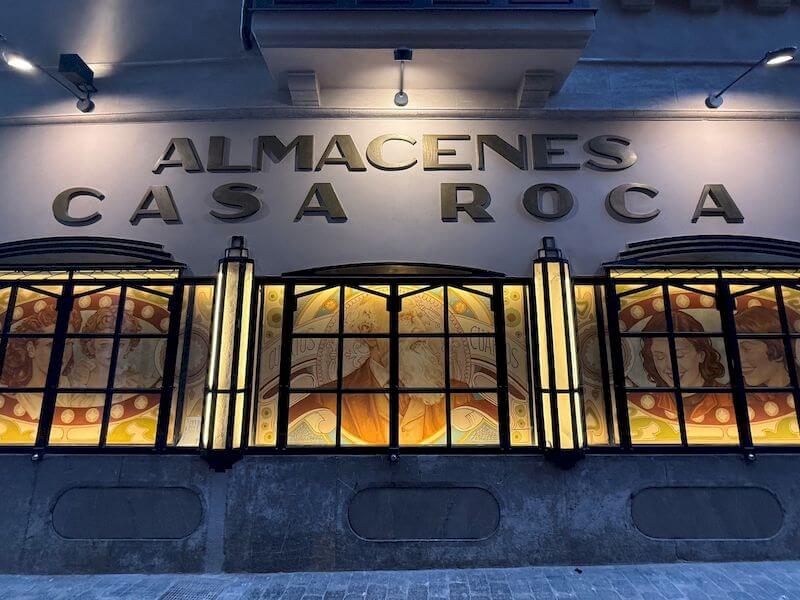
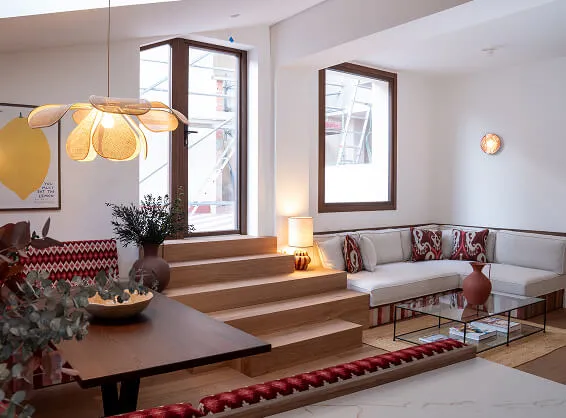
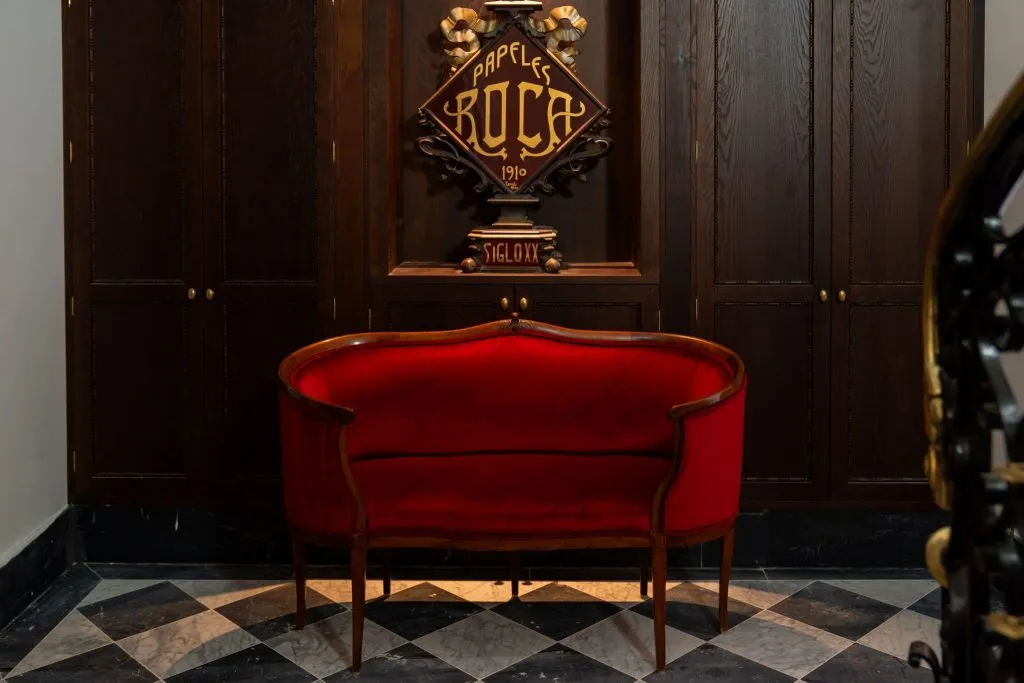
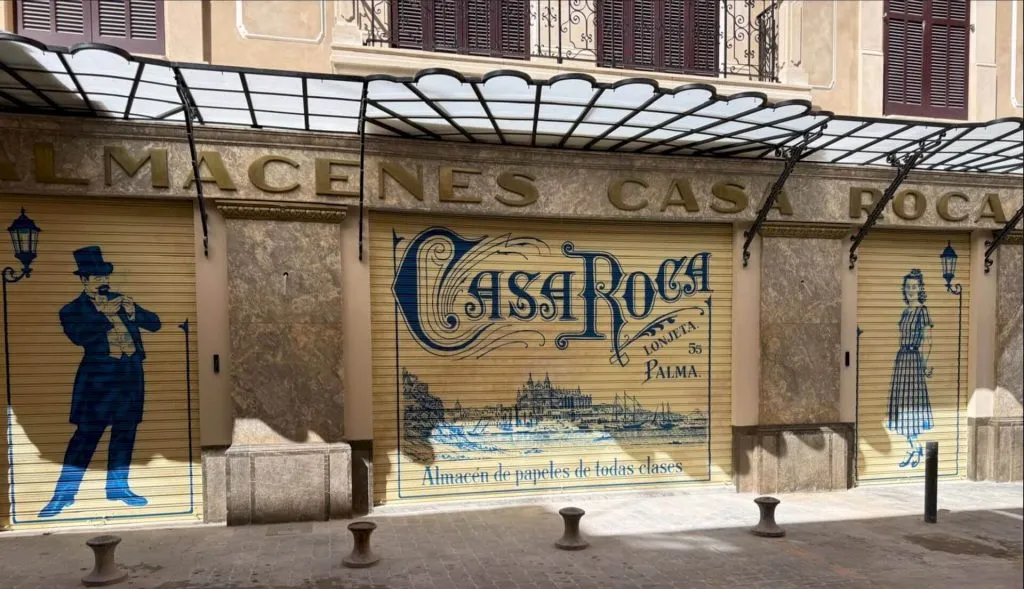
Our own bar and restaurant is on the ground floor of Casa Roca, in the old shop of the Papeles Roca paper and stationery house, founded in 1847. Generations of Palma families bought their stationery here, and the Papeles Roca sign still hangs inside. Today Capitulo is a café and wine bar that opens at 08:30 for breakfast and serves Mallorcan wine and tapas until 23:00, and it is open to everyone, not only to guests.
In the morning there are Mallorcan pastries, fresh fruit and good coffee. In the evening the tapas menu brings dishes such as octopus and steak tartare, with island wines by the glass from a self-service wine machine, and alcohol-free wines for anyone not drinking. It is the natural place to begin an evening in the Old Town or to end one, and our team will book a table at any of the restaurants that follow while you finish your glass.
Best Restaurants in Palma Old Town
Palma Old Town has hundreds of places to eat, and new ones open every season. These are the restaurants and food stops we recommend to guests most often, covering a market lunch, a traditional Mallorcan meal and a special dinner.
1. Mercat de l’Olivar: Tapas at the Market
The Olivar is Palma’s main covered market, four minutes on foot from Casa Roca. Downstairs are the fish and seafood counters, the butchers selling sobrassada, botifarró and llonganissa, the cheese stalls and the bakeries. Around the edges and upstairs are tapas bars where the fish from the counters goes straight onto the grill, with oysters, prawns, jamón and a glass of wine at the bar.
The market opens Monday to Saturday from 07:00 until about 15:00 and is closed on Sundays. Go at lunchtime, when it is at its liveliest, and eat standing at the counter with the shoppers.
2. Celler Sa Premsa: Traditional Mallorcan Cooking
Celler Sa Premsa, on Plaça del Bisbe Berenguer de Palou, is one of Palma’s classic cellers, an old wine cellar turned restaurant with huge wooden barrels along the walls. The menu is Mallorcan cooking without fuss: roast suckling pig, lamb, tumbet, the layered vegetable dish of the island, and arròs brut, Mallorca’s rich rice with meat and vegetables.
It is the place to eat as Mallorcan families have always eaten: generous plates, long tables and no hurry. Go at lunchtime for the full experience, and order the house wine.
3. Marc Fosh: Michelin-Starred Dining in Palma Old Town
Marc Fosh is a Michelin-starred restaurant in the Old Town, in the Convent de la Missió, a former seventeenth-century convent. The British chef has cooked in Mallorca for decades, and his menus are built around the island’s produce, light and seasonal, with tasting menus at dinner and a shorter menu at lunch that is one of the best special-occasion meals in the city.
Book well ahead, especially for dinner in summer. Palma has several other Michelin-recognised restaurants, and the Michelin Guide’s listings for the Balearic Islands are the best place to check the current ones.
4. Ca’n Joan de s’Aigo: Breakfast in Palma Old Town
Ca’n Joan de s’Aigo, near the church of Santa Eulàlia, is one of the oldest cafés in Palma, with tiled floors and marble tables. It is the place for an ensaimada, Mallorca’s spiral pastry, with a thick hot chocolate in winter or an almond ice cream in summer.
Go for breakfast or a late-afternoon merienda. The ensaimadas come plain or filled with cabell d’àngel, a pumpkin jam, and are best eaten warm.
5. The Lunch Restaurants Behind the Cathedral
The small restaurants in the lanes around Plaça de Santa Eulàlia, Carrer de la Portella and Carrer del Sindicat serve the Spanish lunch at its best: the menú del día, a set menu of two courses with bread and a drink, usually between €14 and €18 on weekdays. Every restaurant that takes lunch seriously has one, written on a board outside.
Lunch is served from about 13:30 to 15:30, and Mallorcans treat it as the main meal of the day. Follow the local crowd rather than the photographs on the menu, and you will eat well for a fair price.
6. La Lonja: Dinner on a Terrace
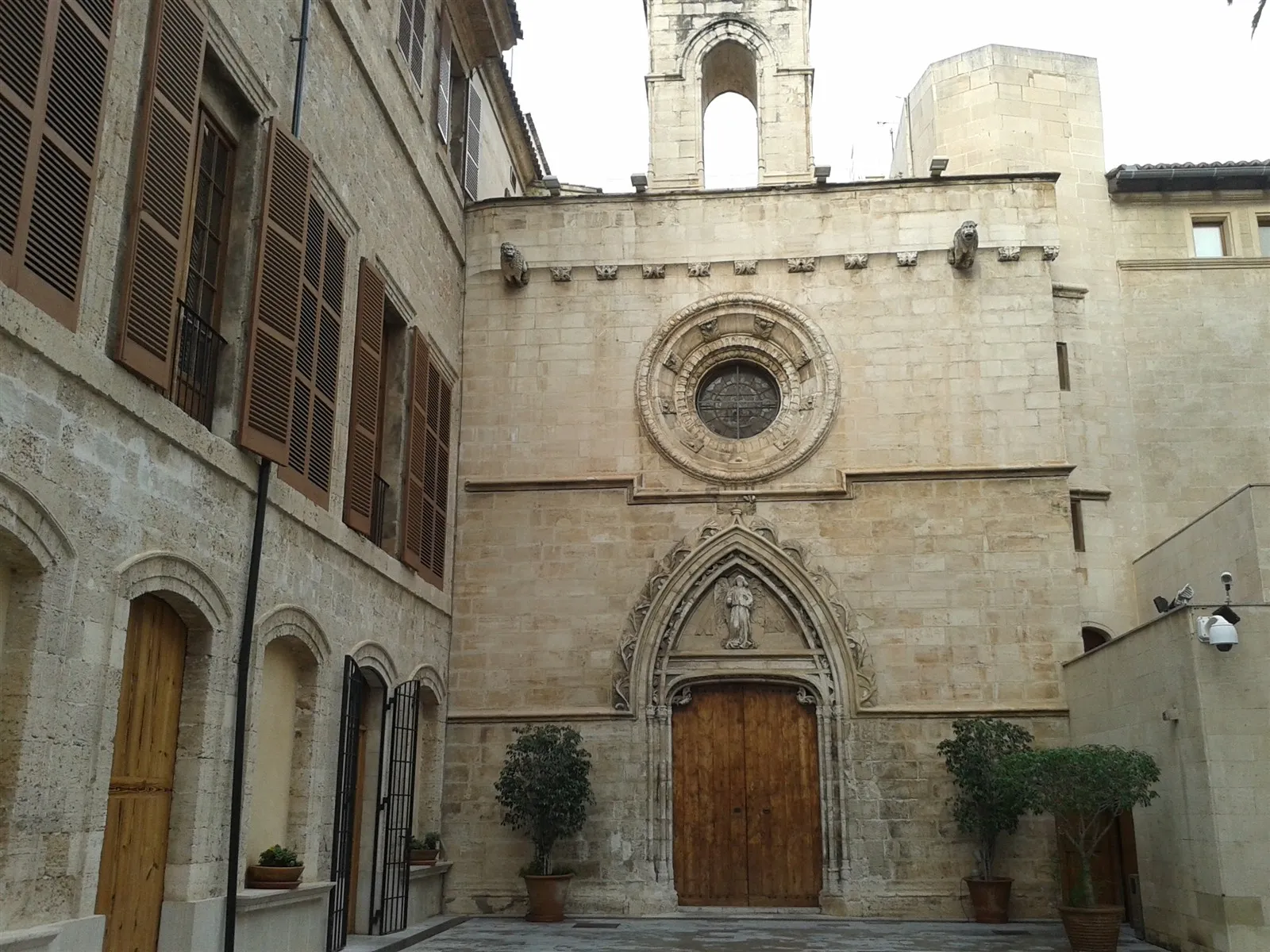
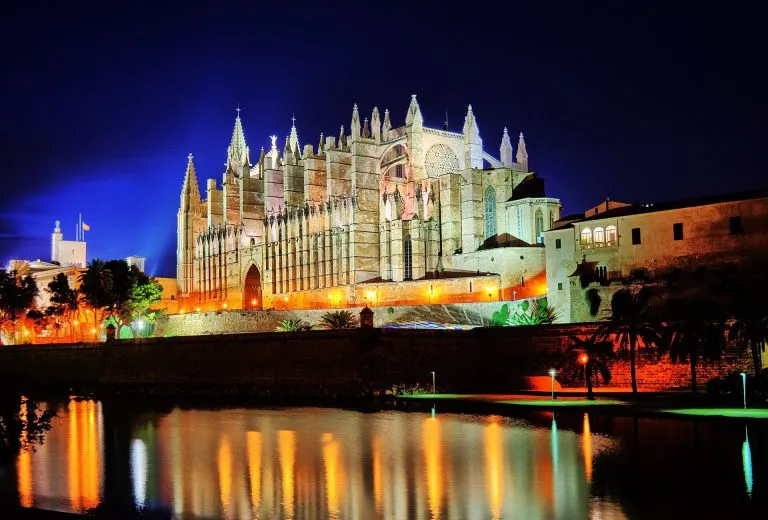
The lanes around the Gothic Llotja, Carrer Apuntadors and Carrer de Sant Joan, hold the greatest concentration of restaurants in Palma, many with terraces under the old stone arches. The choice runs from tapas bars to seafood restaurants and modern Mediterranean kitchens, and the area is liveliest from Thursday to Saturday evening.
The restaurants one or two streets back from the busiest lanes are usually the better choice. After dinner, the bars of La Lonja are the heart of Palma nightlife, a few steps away.
Best Tapas in Palma Old Town
Tapas in Palma are a way of eating rather than a type of restaurant. You can go from bar to bar in the early evening with a drink and one or two plates in each, or sit down and share a table full of small dishes for dinner. The best tapas in Palma Old Town are in La Lonja, at the Olivar market and in the streets around Plaça Major, and the start of the evening, from about seven, is the time for it.
Tapas to Order in Palma
- Pa amb oli: bread rubbed with tomato and olive oil, topped with ham, cheese or sobrassada.
- Croquetas: often made with sobrassada or ham.
- Pulpo: octopus, grilled or Galician-style with paprika and olive oil.
- Frit mallorquí: a fry-up of lamb or pork offal with potatoes, peppers and fennel.
- Calamares and gambas: squid and prawns, fresh from the market.
- Patatas bravas: fried potatoes with a spicy sauce and aioli.
Order a vermouth or a glass of Mallorcan rosado to go with the first plates, and let the bar staff recommend the dish of the day. Many tapas bars show the morning’s fish on the counter, and that is usually the thing to order. To taste the island’s wines and tapas together with a guide, our Mallorcan wine tasting with tapas is one of the Tasting Palma experiences we run for guests.
A few customs help. In the traditional bars you order at the counter and pay at the end, and the bill is usually reckoned from what you tell the barman you have eaten. Bread and olives sometimes arrive without asking and are added to the bill. Raciones are larger plates for sharing, medias raciones half portions, and a pincho is a single bite on bread. Tipping is modest: rounding up or leaving a coin or two is normal.
Seafood and Rice Dishes in Palma
Palma is a port city, and seafood is at the heart of its cooking. The morning catch arrives at the fish counters of the Olivar and Santa Catalina markets, and the restaurants that buy there put it on the board as the fish of the day. Look for gamba roja from Sóller, the island’s prized red prawns, grilled sea bass and bream, and caldereta, a rich fish and shellfish stew.
Rice is a lunchtime dish in Mallorca, and the island has its own versions. Arròs brut, the “dirty rice”, is a soupy rice cooked with meat, game and vegetables. Arròs negre is black with squid ink, and fideuà is made with thin noodles and seafood and served with aioli. Rice dishes are usually cooked to order for at least two people and take twenty minutes or more, so order a glass of Mallorcan white wine and enjoy the wait. The best seafood rice is often found at the restaurants by the harbour at Portixol and around the marina.
Mallorcan Food to Try in Palma
The dishes of Mallorca are different from those of mainland Spain, and some are hard to find anywhere else. The table lists the ones to look for and where they are best eaten.
| Mallorcan dish | What it is | Best eaten |
|---|---|---|
| Ensaimada | Spiral pastry dusted with sugar, plain or filled | Breakfast in a historic café |
| Pa amb oli | Bread with tomato, olive oil, ham or cheese | Aperitivo or lunch |
| Sobrassada | Soft, paprika-red cured pork sausage | On bread, sometimes with honey |
| Tumbet | Layered aubergine, potato and pepper with tomato | A traditional celler |
| Arròs brut | Rich rice with meat and vegetables | Lunch, for two or more |
| Frit mallorquí | Fried lamb or pork with potato and fennel | A market tapas bar |
| Porcella | Roast suckling pig | A celler, at lunch |
To drink, look for red wines from Binissalem made with the island’s Mantonegro and Callet grapes, Prensal Blanc whites, and hierbas, the herbal liqueur served after dinner. Rice dishes such as arròs brut are lunch dishes in Mallorca and usually need at least two people and a twenty-minute wait.
Eating Times and Prices in Palma Old Town
Palma eats on Spanish time. Lunch is served from about 13:30, and the best kitchens are full by 14:00. Dinner starts at 20:00 or 20:30 in most restaurants, but locals sit down from 21:00 to 22:30, and the kitchens close around 23:00. In July and August, book dinner a day or two ahead for the most popular places.
| Meal in Palma | Typical time | Typical price per person |
|---|---|---|
| Breakfast in a café | 08:00–10:30 | €6–12 |
| Menú del día at lunch | 13:30–15:30 | €14–18 |
| Tapas | From 19:00 | €3–9 a plate |
| Dinner in a good restaurant | From 21:00 | €35–55 without wine |
| Michelin-starred tasting menu | From 20:00 | From about €100 |
Vegetarians eat well in Palma. Tumbet, pa amb oli with cheese and tomato, grilled vegetables, Mallorcan salads with the island’s ramellet tomatoes, and dishes of local beans and chickpeas are on most menus, and the modern restaurants of the Old Town and Santa Catalina usually have a vegetarian or vegan tasting option. Gluten-free bread and pasta are widely available, and restaurants are used to allergies; say “sin gluten” or name the allergy when you book. At Casa Roca our team prepares breakfast around dietary needs, and the Capitulo bar offers alcohol-free wines alongside the Mallorcan list.
A Food Lover’s Day in Palma Old Town
For guests who come to Palma to eat, this is the day we suggest, all on foot from Casa Roca and all within the Old Town.
Step 1, 09:00: an ensaimada and a hot chocolate or coffee at Ca’n Joan de s’Aigo, or breakfast with Mallorcan pastries in the Capitulo bar. Step 2, 11:00: a walk through the Olivar market to see the fish counters at their fullest, with a glass of cava and a few oysters at one of the bars. Step 3, 13:30: lunch at a celler, with tumbet, roast suckling pig or arròs brut and a jug of house wine.
Step 4, 17:00: pick up sobrassada, cheese and a bottle of Binissalem red from the market or a delicatessen to take home. Step 5, 19:00: vermouth and tapas from bar to bar in La Lonja. Step 6, 21:30: dinner at a special restaurant, Marc Fosh for a tasting menu or a seafood restaurant by the sea, before a last glass of hierbas back at the Capitulo bar.
On a weekend, swap the morning for the Santa Catalina market on Saturday, which is at its liveliest, and keep Sunday for a long lunch, when the markets are closed and Mallorcan families eat out together.
Where to Eat Beyond Palma Old Town
Two neighbourhoods outside the old walls are worth the short walk for dinner. Santa Catalina, fifteen minutes west, has Palma’s most exciting independent restaurants, natural wine bars and its own covered market, and the restaurants in Santa Catalina range from market counters to seafood by the harbour. Portixol and Es Molinar, thirty minutes east along the seafront, are the place for a long seafood lunch with your feet almost in the sea.
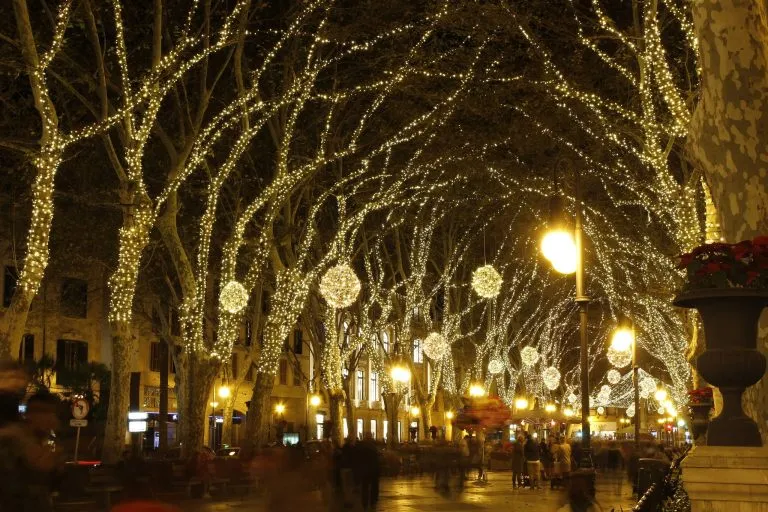
Staying in the Old Town puts all three within walking distance, so you can eat somewhere different every night and walk home through the lit streets. The best areas to stay in Palma compares the Old Town with the rest of the city.
“If I could give a six I would. The hotel staff are just brillant service outstanding nothing was too much and the food – well where to start – just to say we have eaten far to much and loved every bit of it… A short walk into the old town and you can find many places to eat and enjoy. If you are a wine drinker you are in for a treat.”
– Clive Sawkins, Google review, September 2026
Casa Roca Gallery: Stay Above the Restaurants of Palma Old Town
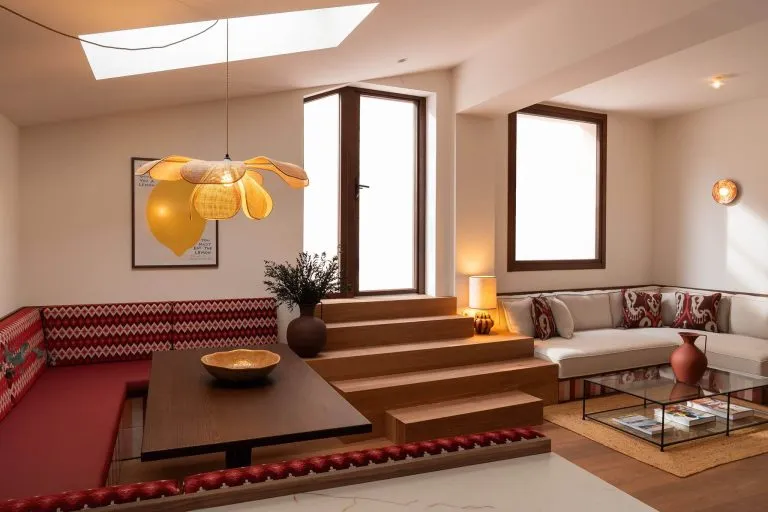
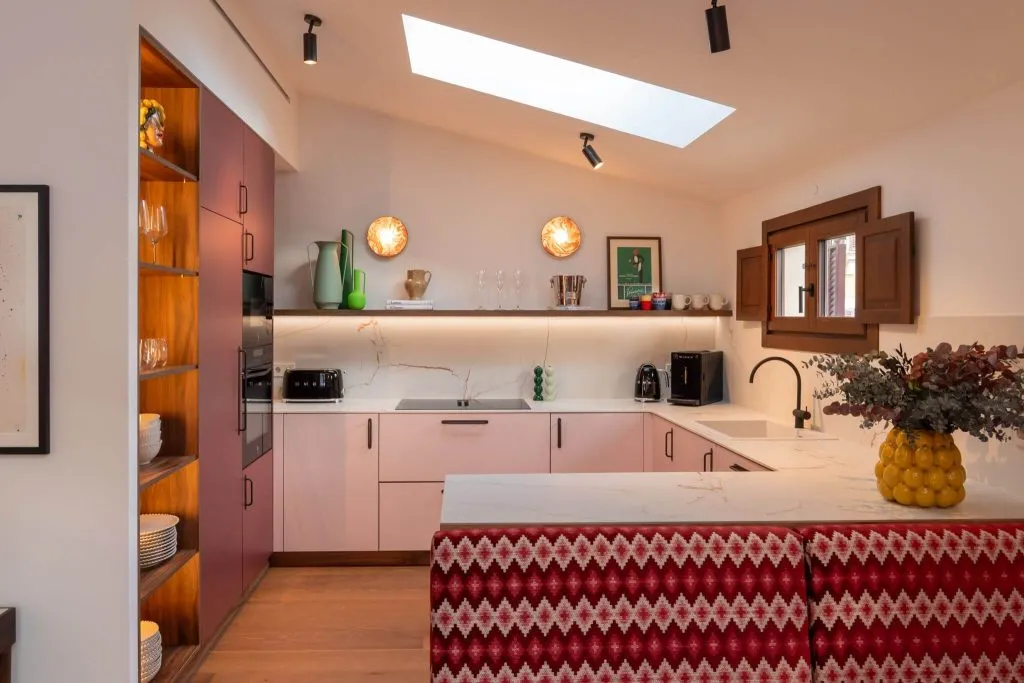
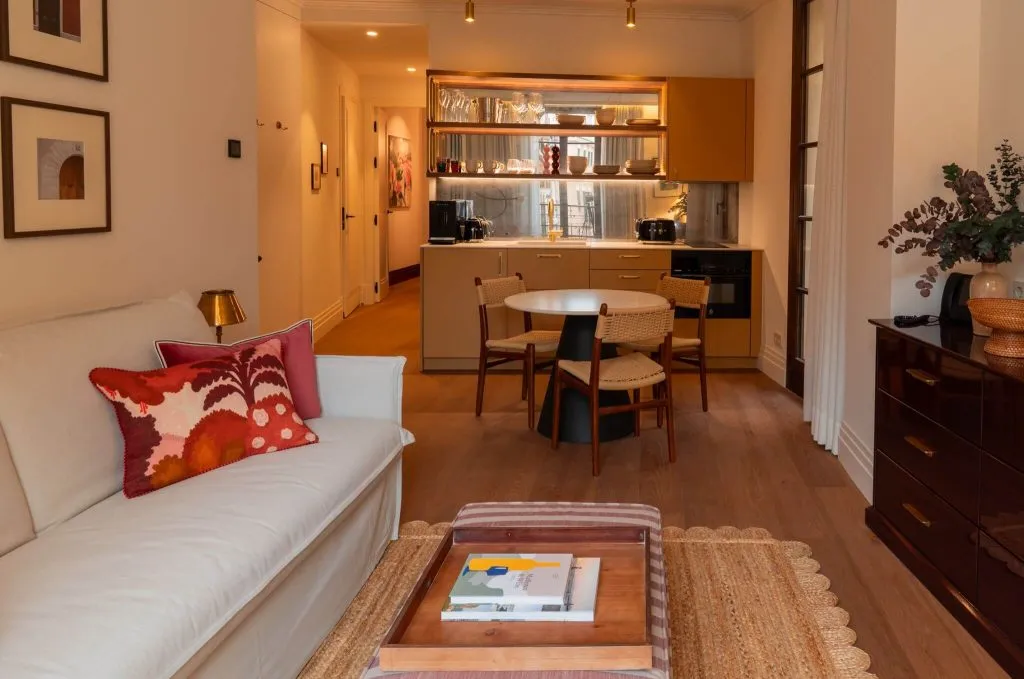
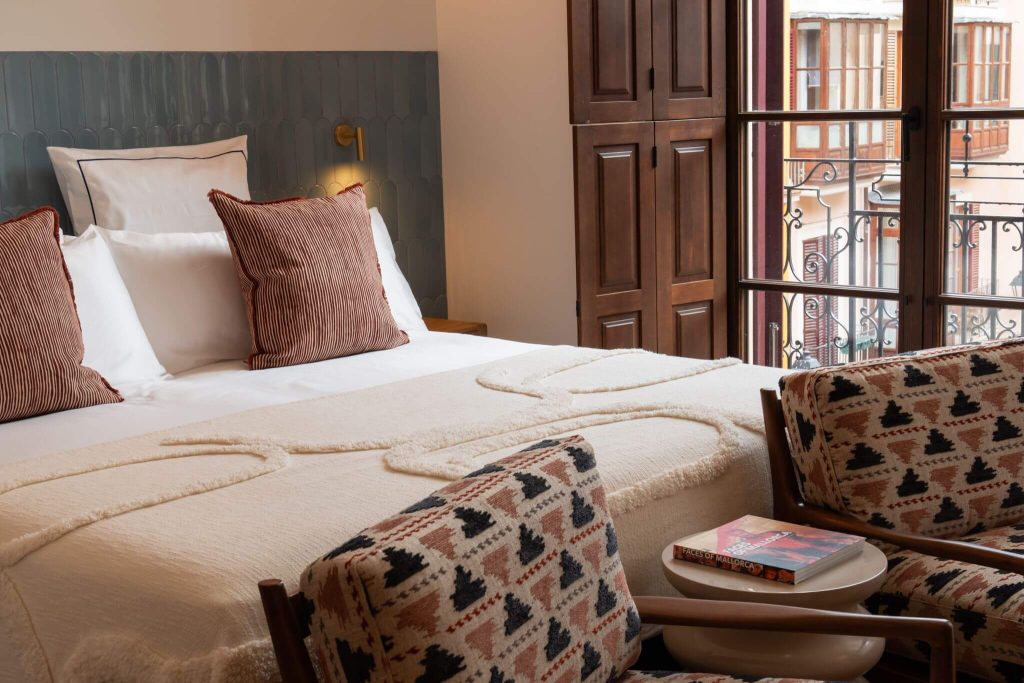
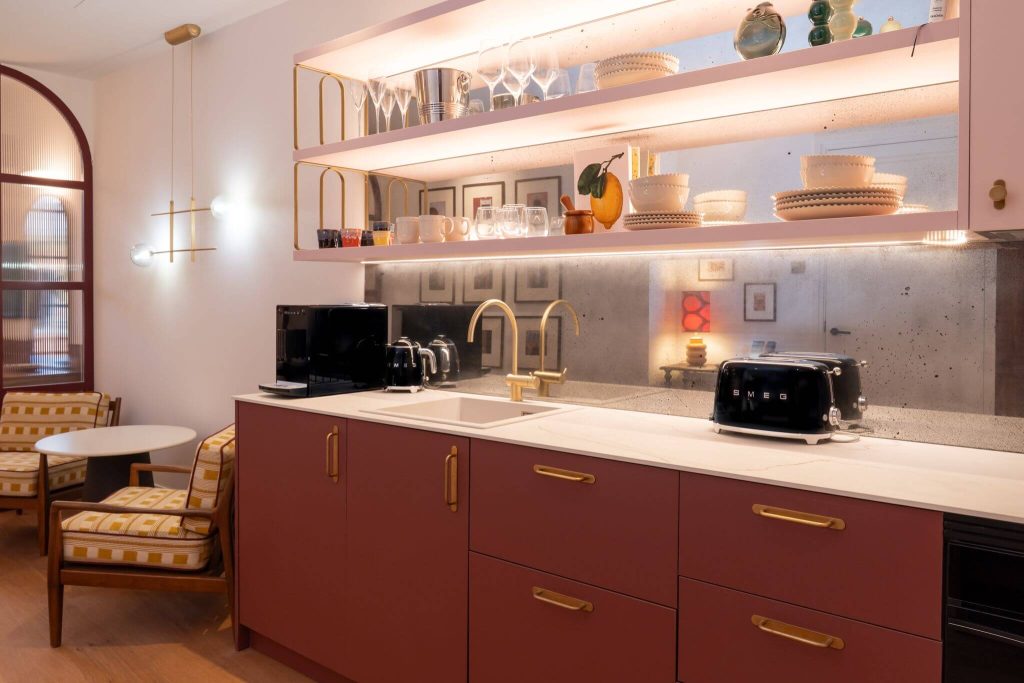
Upstairs from the Capitulo bar are suites, apartments with full kitchens for market shopping, and the three-bedroom Francisco Roca Penthouse.
Restaurants in Palma Old Town: Frequently Asked Questions
What Are The Best Restaurants In Palma Old Town?
For a market lunch, the tapas bars of the Mercat de l’Olivar; for traditional Mallorcan food, Celler Sa Premsa; for fine dining, Michelin-starred Marc Fosh; for breakfast, Ca’n Joan de s’Aigo; and for dinner on a terrace, the restaurants of La Lonja. The Capitulo bar at Casa Roca serves tapas and Mallorcan wine until 23:00.
Where Is The Best Tapas In Palma?
The best tapas in Palma are in the La Lonja quarter around the Gothic Llotja, at the tapas bars inside the Olivar and Santa Catalina markets, and in the streets around Plaça Major. Go from about seven in the evening and move from bar to bar.
Where To Eat In Palma Old Town?
Eat at the Olivar market for lunch, in the small set-menu restaurants behind the cathedral on weekdays, in La Lonja for tapas and dinner, and in the old cellers for traditional Mallorcan cooking. Restaurants one or two streets back from the busiest lanes are usually the better choice.
Does Casa Roca Have A Restaurant?
Yes. Capitulo, the café and wine bar on the ground floor of Casa Roca, serves breakfast from 08:30 and Mallorcan wine and an evening tapas menu until 23:00. It is open to everyone, not only to hotel guests.
What Mallorcan Food Should You Try In Palma?
Try ensaimada for breakfast, pa amb oli and sobrassada as tapas, tumbet and roast suckling pig in a traditional celler, arròs brut at lunch, and frit mallorquí at a market bar. To drink, look for Binissalem red wines and hierbas after dinner.
What Time Do Restaurants Open In Palma?
Lunch is served from about 13:30 to 15:30. Most restaurants open for dinner at 20:00 or 20:30, locals eat from 21:00, and kitchens usually close around 23:00. Book ahead for dinner in July and August.
Does Palma Have Michelin-Starred Restaurants?
Yes. Marc Fosh, in the Convent de la Missió in the Old Town, is one of Palma’s Michelin-starred restaurants, and the city has several other restaurants recognised by the Michelin Guide. Check the guide’s Balearic Islands listings for the current selection.
How Much Does It Cost To Eat Out In Palma?
A menú del día at lunch usually costs €14–18 for two courses with bread and a drink. Tapas cost about €3–9 a plate, dinner in a good restaurant €35–55 a head without wine, and a Michelin-starred tasting menu from about €100.
Stay Steps from the Best Restaurants in Palma Old Town
Casa Roca sits on Carrer dels Hostals, two minutes from Plaça Major, four from the Olivar market and ten from La Lonja. Start with a glass in the Capitulo bar downstairs, and walk home from dinner through the lit streets of the Old Town.
Check Availability See Suites & ApartmentsImage credits: Plaça Major by Olaf Tausch (CC BY 3.0); Llotja by Joan Gené (CC BY-SA 4.0). Via Wikimedia Commons.