Palma de Mallorca Weather at a Glance
- Warmest months: July and August, with average highs of 29–30°C by the harbour and the sea at 25–26°C.
- Best months for the city and the sea together: May, June, September and October.
- Mildest winter: daytime highs of 15–17°C from December to February, with around 150–170 hours of sunshine a month.
- Wettest months: October and November, usually as short, heavy showers rather than grey days.
- Sunshine: about 2,780 hours a year in Palma, one of the sunniest cities in Europe.
From the rooftop of Casa Roca we watch the whole year turn over the tiled roofs of the Old Town. In January the sun drops behind the Tramuntana before six and the air smells of woodsmoke and oranges. In June it is still light at half past nine and the terrace is full until midnight. The question guests ask most when they book is simple: what will the weather be like when we come? The honest answer is that Palma has no bad month, only different ones, and knowing the difference is what makes a trip.
The figures that follow are the official climate averages for Palma harbour, a few minutes’ walk from our door on Carrer dels Hostals, from Spain’s national weather agency. Alongside them is what each month actually feels like in the Old Town: what is on, how late the sun sets, whether the sea is warm enough to swim, and what to pack. For what to see once you are here, the top things to do in Palma Old Town work in every season.
Palma de Mallorca Weather by Month
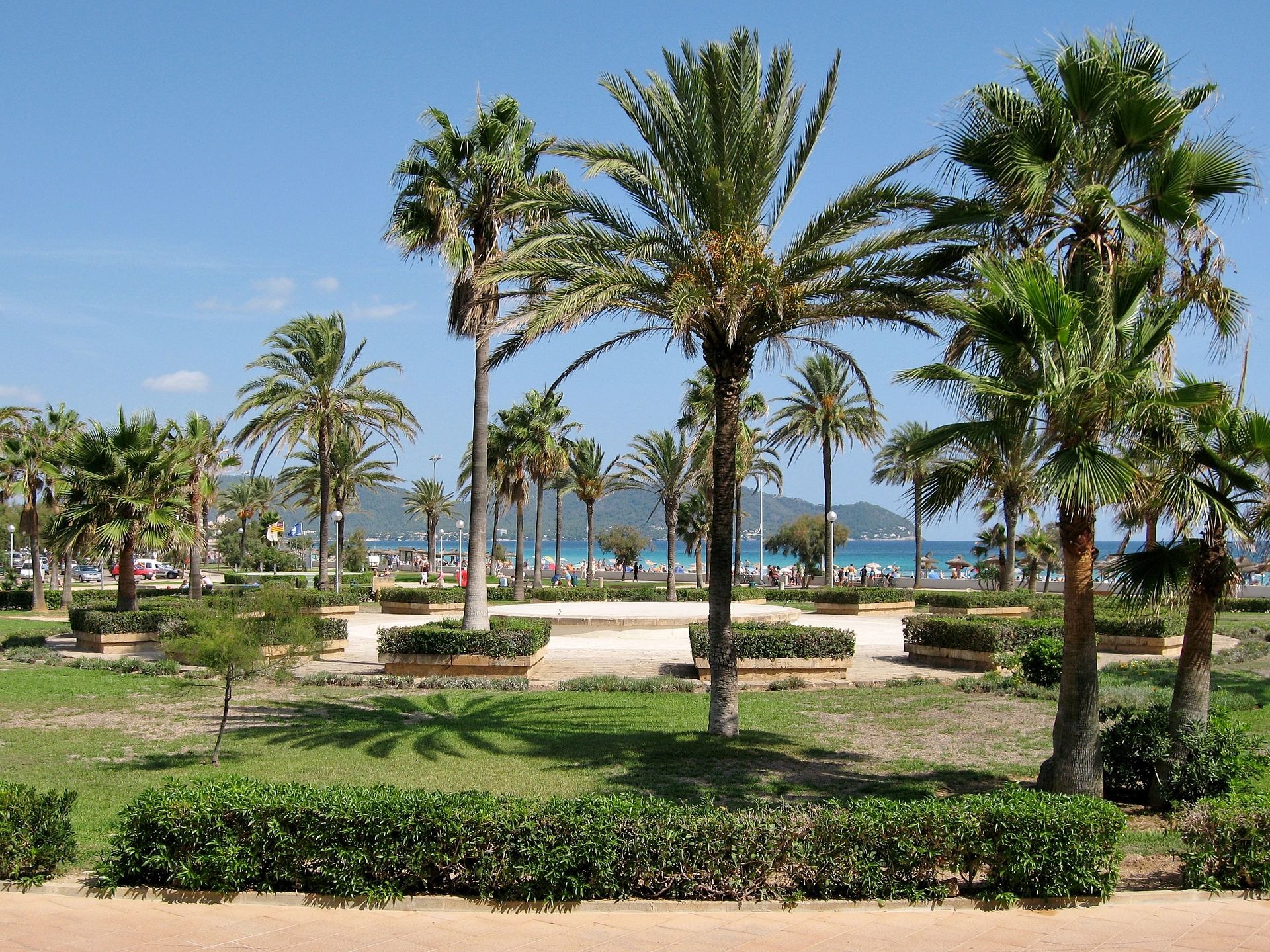
Palma has a Mediterranean climate with long, dry, sunny summers and mild, greener winters. The harbour station measures an average daily high of 15°C in January and just under 30°C in August, and it almost never freezes by the sea. Rain falls on about 53 days a year, most of it between September and January, and July averages less than one rainy day. The table brings the year together, including the sea temperature and the time the sun sets in the middle of each month.
| Month | Average high | Average low | Sea | Rain days | Sunshine | Sunset |
|---|---|---|---|---|---|---|
| January | 15°C | 8°C | 14°C | 6 | 167 hrs | 17:50 |
| February | 16°C | 8°C | 14°C | 6 | 170 hrs | 18:25 |
| March | 17°C | 10°C | 14°C | 5 | 205 hrs | 18:55 |
| April | 19°C | 12°C | 16°C | 5 | 237 hrs | 20:25 |
| May | 23°C | 15°C | 19°C | 4 | 284 hrs | 20:55 |
| June | 27°C | 19°C | 23°C | 2 | 315 hrs | 21:20 |
| July | 29°C | 22°C | 25°C | 1 | 346 hrs | 21:15 |
| August | 30°C | 23°C | 26°C | 2 | 316 hrs | 20:45 |
| September | 27°C | 20°C | 26°C | 5 | 226 hrs | 20:00 |
| October | 24°C | 17°C | 23°C | 7 | 205 hrs | 19:10 |
| November | 19°C | 12°C | 20°C | 6 | 161 hrs | 17:35 |
| December | 17°C | 10°C | 17°C | 7 | 151 hrs | 17:25 |
Inland and at the airport the range is wider: summer afternoons there run a degree or two hotter, and winter nights several degrees colder, with occasional frost in the fields. The harbour figures are the ones that match the Old Town, where the sea keeps the nights mild. In US terms, a January day in Palma is around 59°F and an August afternoon around 86°F. For a live forecast before you travel, AEMET publishes a detailed Palma forecast.
Mallorca Weather Month by Month in Palma Old Town
Mallorca Weather in January
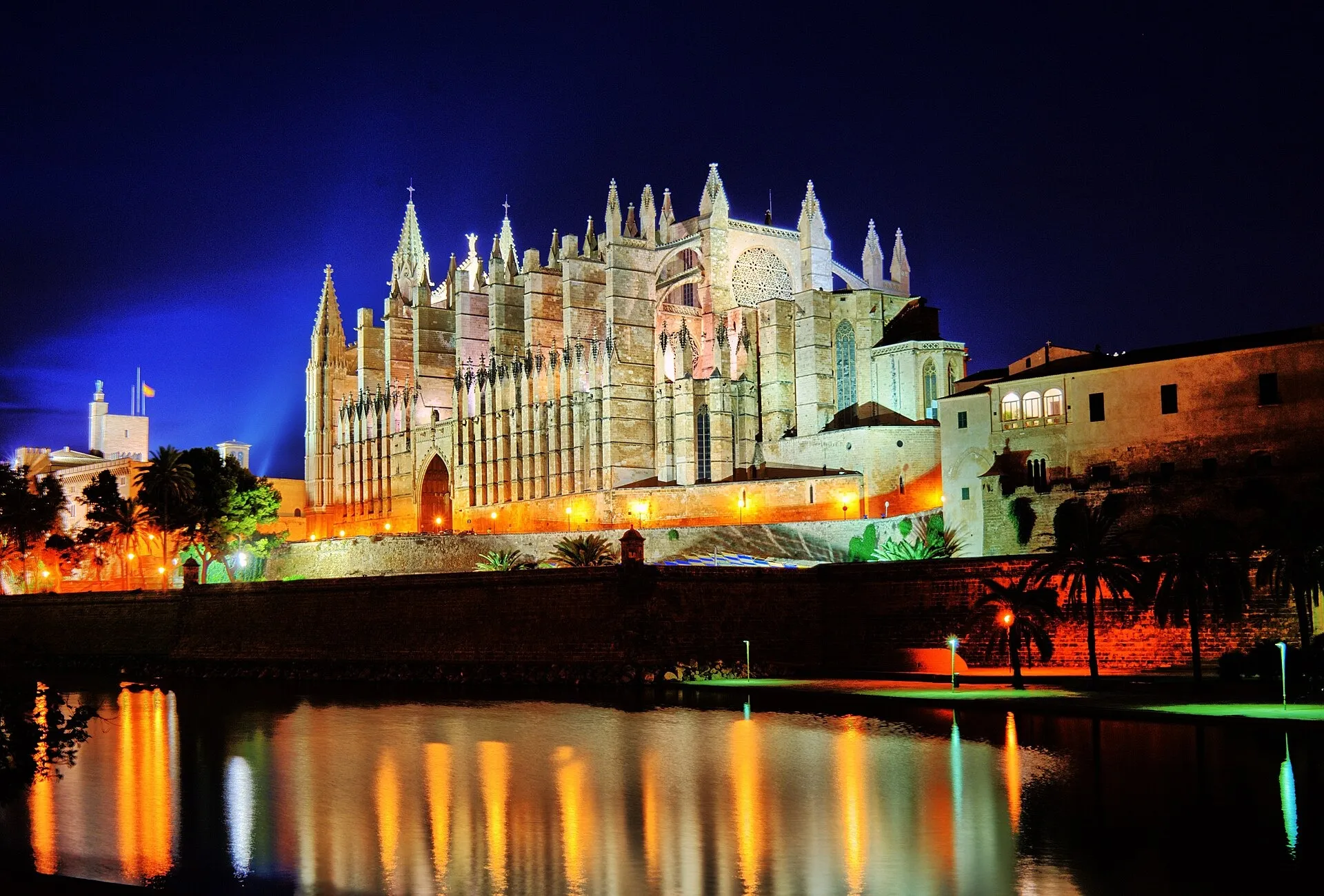
January in Palma brings bright, cool days of around 15°C, crisp evenings of 8°C and the clearest light of the year. When the sun is out, lunch on a sheltered terrace is entirely possible, and the city is at its most Mallorcan. The orange and lemon trees in the courtyards of the Old Town are heavy with fruit, and after a cold spell the highest peaks of the Tramuntana are sometimes dusted with snow.
The big date is Sant Sebastià, Palma’s patron saint, on 20 January. On the night of the 19th the squares of the Old Town fill with bonfires, grills and free concerts, and the whole city eats outdoors in coats. It is the best night of the winter to be staying within walking distance of Plaça Major. Pack a warm jacket, a scarf and shoes for wet cobbles.
Mallorca Weather in February
February is much like January in temperature, with highs around 16°C, but the island changes colour. The almond trees across the plain of Mallorca come into blossom from late January to mid-February, turning the countryside between Palma and the mountains white and pale pink. A morning drive or train ride into the interior is the trip of the month, back to the city for a long lunch.
Carnival, Sa Rua, fills Palma’s streets with a costumed parade in February or early March, depending on the date of Easter. Evenings are still cool enough for a jacket, and rain comes on about six days in the month. This is the month the Capitulo wine bar at Casa Roca comes into its own, with Mallorcan reds by the glass after a day in the museums.
Mallorca Weather in March
March is spring arriving in a hurry. Highs climb to 17°C, sunshine jumps to around 200 hours, and the island is at its greenest after the winter rain, with wild flowers along every country road. It is the classic month for walking in the Tramuntana and for cycling, and the island’s roads fill with riders training for the season.
In 2027 Easter falls early, on 28 March, so Holy Week lands at the end of the month. The processions of Setmana Santa in Palma are among the most moving events of the year, with hooded brotherhoods carrying floats through the narrow streets of the Old Town by candlelight, the largest on the evening of Holy Thursday. The sea is still around 14°C, so this is a month for the city rather than the beach.
Mallorca Weather in April
April is one of the loveliest months in Palma: highs of around 19°C, long sunny afternoons and evenings warm enough to eat outside by the end of the month. The clocks have gone forward, so the sun sets after eight. The sea is still fresh at about 16°C, fine for a brave first swim on a hot day, and the beach walks along the bay are at their best.
Late April brings the Palma International Boat Show to the waterfront, and the city’s terraces and rooftop bars open for the season. It is an ideal month for the day trips to Sóller, Valldemossa and Deià, when the orange blossom is out in the valleys. Pack layers: a light jacket for the evenings and something short-sleeved for the middle of the day.
Mallorca Weather in May
May is the month many of our guests come back for. Highs reach about 23°C, the island gets close to 290 hours of sunshine, rain is rare, and the sea warms to about 19°C, enough for most people to swim by the end of the month. The light stays until nearly nine in the evening, and the rooftop terrace becomes the place to be at sunset.
The markets are full of spring produce, from the first Mallorcan strawberries to new potatoes from Sa Pobla, and May is the best month for a food-led trip. Our Tasting Palma experiences take guests through the Olivar market and into the island’s vineyards at exactly this time of year. Pack summer clothes and one warmer layer for the evenings by the sea.
Mallorca Weather in June
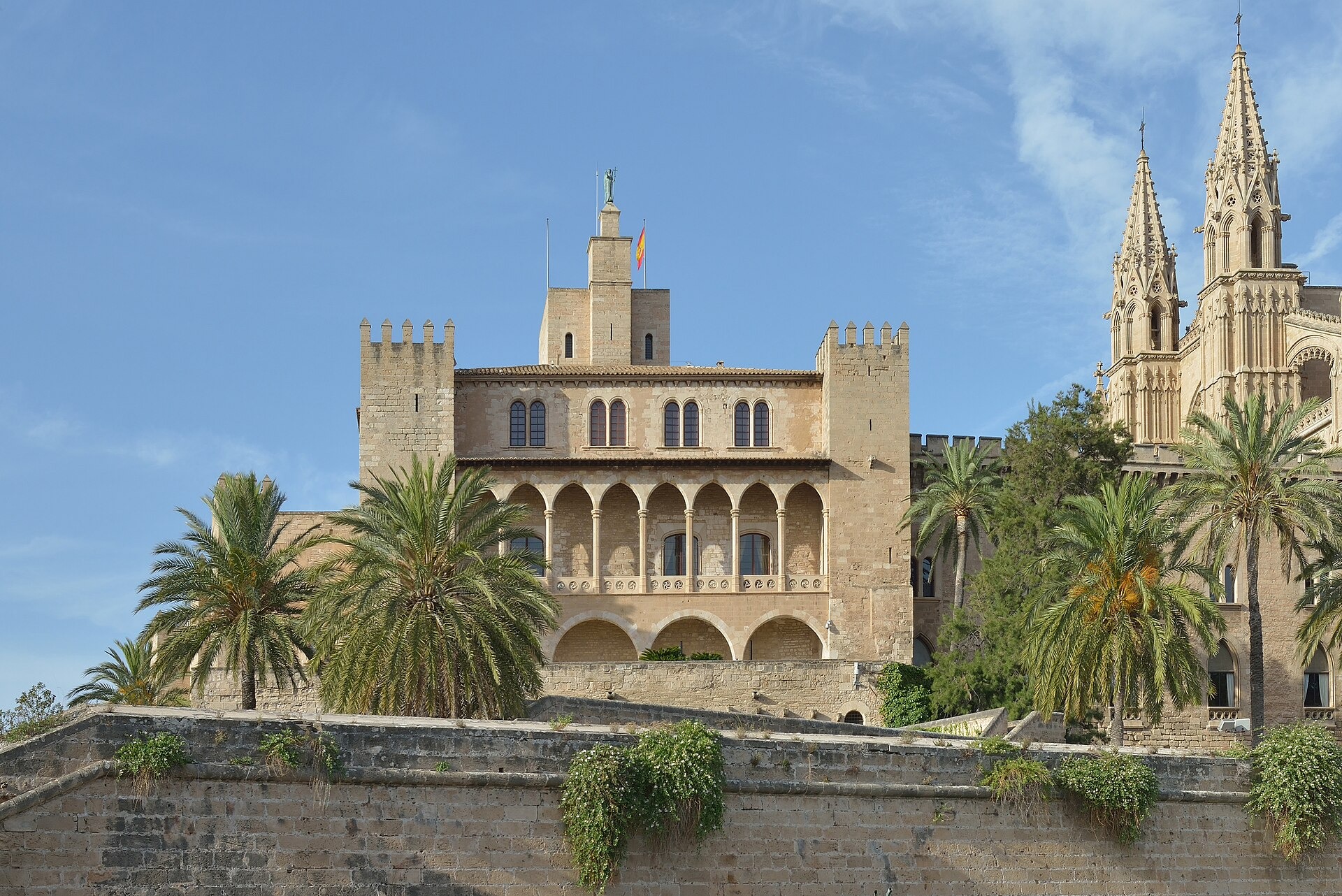
June is summer proper. Highs reach about 27°C, the sea warms to 23°C, and the sun sets after quarter past nine, the latest of the year. Rain falls on only one or two days. The heat is warm rather than oppressive, and sightseeing in the Old Town is comfortable in the morning and again from early evening.
On the night of 23 June, the eve of Sant Joan, Palma celebrates midsummer with bonfires and fireworks on the beaches and a late swim at midnight. It is the start of the season of outdoor concerts and long dinners on the street. Book restaurants ahead, carry water when you walk, and plan the hottest hours of the afternoon in the shade of a courtyard or the cool of the cathedral.
Mallorca Weather in July
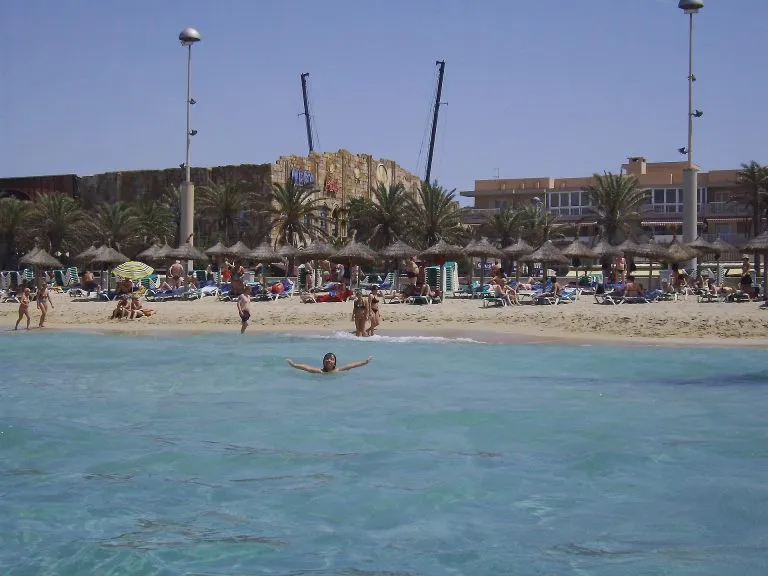
July is the sunniest month in Palma, with around 345 hours of sunshine and almost no rain. Harbour highs average 29°C, nights stay around 22°C, and the sea is a warm 25°C. On the hottest days, when a dry wind arrives from North Africa, the thermometer can pass 35°C, and the Old Town settles into the Spanish rhythm of an early start, a long lunch and a late evening.
Late July brings the Copa del Rey sailing regatta to the Bay of Palma, with the racing yachts visible from the seafront promenade. The summer concert season fills Bellver Castle and the city’s squares. The trick in July is timing: the cathedral at opening time, the beach before eleven, a siesta, then the rooftop terrace for sunset over the bay. Pack light linen, a hat and high-factor sun cream.
Mallorca Weather in August
August is the warmest month, with average highs just under 30°C by the harbour, warm nights of 23°C, and the sea at its peak of around 26°C, like stepping into a warm bath. Humidity rises through the month, and a thunderstorm towards the end of August is the island’s way of announcing autumn.
Everything is open and the city runs late, with dinner rarely starting before nine and the bars of La Lonja busy past midnight. Air-conditioned rooms matter in August, and so does a terrace for the evening breeze. Swim early in the morning, sightsee in the cool of the Gothic interiors, and keep the afternoons for the shade.
Mallorca Weather in September
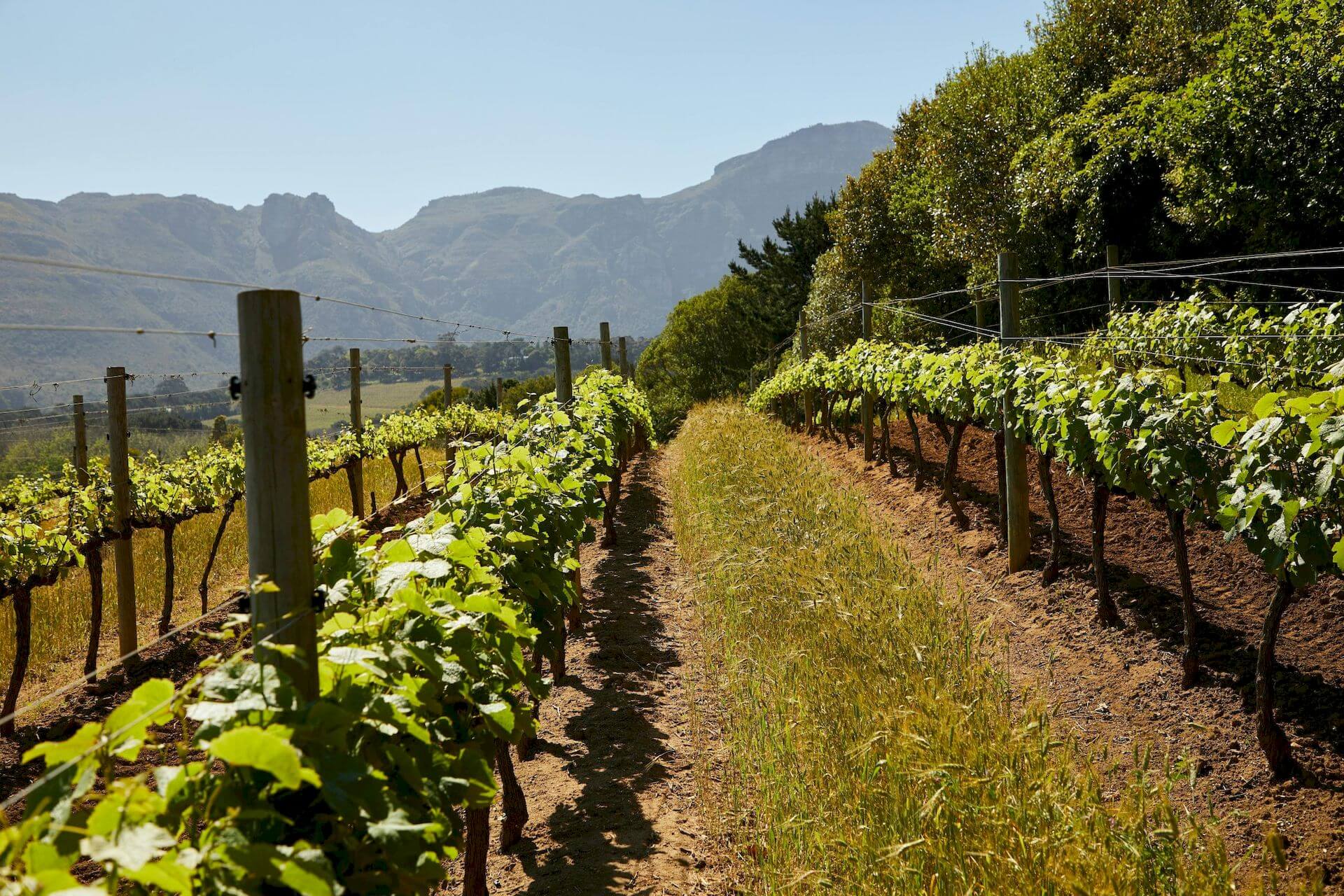
September is summer with the edges softened. Highs ease to about 27°C, the sea holds its warmth at around 26°C after three months of sunshine, and the evenings are perfect for eating outside. The first storms of autumn can arrive in the second half of the month, usually as a short, dramatic downpour followed by clear skies and a spectacular sunset.
Mid-September brings Nit de l’Art, the night when Palma’s galleries open their doors and the streets of the Old Town fill with art lovers until late. At the end of the month the grape harvest is celebrated in Binissalem with the Festa des Vermar. For a trip that combines a swim every day with the city at its most relaxed, September is hard to beat.
Mallorca Weather in October
October in Mallorca is warm, golden and changeable. Daytime highs average 24°C by the harbour, nights stay around 17°C, and the sea is still 23°C, comfortably warm for swimming. It is the wettest month of the year, with rain on about seven days, but that rain usually comes as a heavy shower that clears within the hour, leaving the stone streets shining and the light soft and amber.
October in Palma at a Glance
- Temperature: around 24°C by day and 17°C at night, warm enough for short sleeves.
- Sea: about 23°C, warmer than the sea in June.
- Light: sunset around 19:10 in mid-October, and just after 18:00 once the clocks go back on the last Sunday of the month.
- What’s on: the Palma Marathon, the grape and olive harvests, and long lunches on the terraces.
- What to wear: summer clothes, a light jacket or jumper for the evening, and a compact umbrella.
October is one of our favourite months in the Old Town. The heat has gone, but the terraces are still full at lunch, and walking from the cathedral to Santa Catalina and back is a pleasure rather than an effort. It is also the best month for the day trips from Palma into the mountains, when the air is clear and the hiking trails reopen after the summer heat.
Mallorca Weather in November
November in Mallorca brings mild days of around 19°C, cooler evenings of 12°C and a sea that is still surprisingly warm at about 20°C, so a sunny morning swim is possible early in the month. Rain falls on about six days, and between the showers the light is clear and the mountains look close enough to touch. The Tramuntana turns green again after the first rains, and the olive harvest begins across the island.
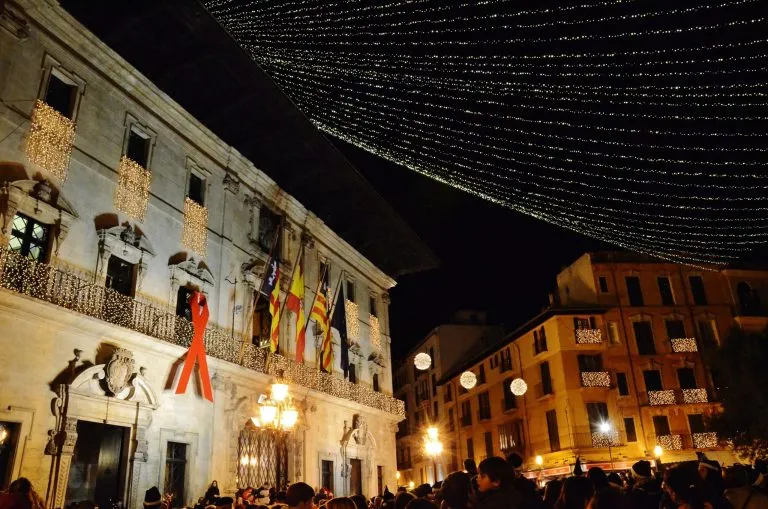
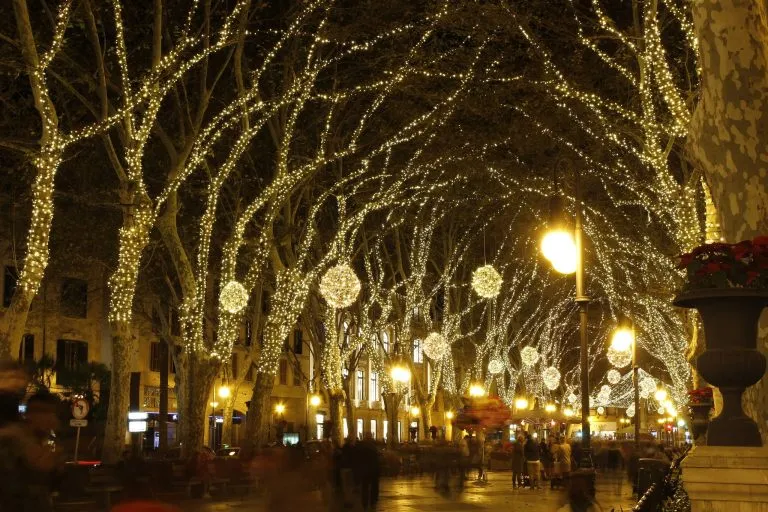
Mid-November brings Dijous Bo in Inca, the largest agricultural fair on the island, an easy train ride from Palma. In the city, late November is when the Christmas lights go up along the Born and around Plaça Major. It is the month for museums, long lunches of slow-cooked Mallorcan food and evenings in the wine bar. Pack a warm layer, a waterproof jacket and shoes with grip for wet stone.
Mallorca Weather in December
December is mild by northern European standards, with highs around 17°C and nights around 10°C, and the shortest days of the year, with sunset before half past five. Sunny days are common between the rainy spells, and lunch outside in the sun is often possible. The sea has cooled to about 17°C, so swimming is for the hardy.
Palma does Christmas with charm. The Christmas market fills Plaça Major, the lights glow along the Born and Carrer de Sant Miquel, and the cathedral holds candlelit services and concerts. On 31 December the city celebrates the Festa de l’Estendard, marking the Christian conquest of Mallorca in 1229, with a procession through the Old Town before the New Year celebrations in Plaça de Cort. For dinner on the big nights, book one of the best restaurants in Palma de Mallorca well ahead.
Best Time to Visit Palma de Mallorca
The best time to visit Palma depends on what you want from the trip. Sea swimming, city sightseeing, food and walking each have their own best season, and the table matches the months to the trip.
| Best time to visit Palma for | Months | Why |
|---|---|---|
| Swimming and beaches | June to September | The sea is 23–26°C and rain is rare |
| Sightseeing in the Old Town | April, May, October | Warm days for walking and long, light evenings |
| Food and wine | May and September to October | Spring produce, then the grape and olive harvests |
| Walking and cycling | February to April, October to November | Green mountains and mild temperatures on the trails |
| Festivals | January, Holy Week, June, December | Sant Sebastià, Easter processions, Sant Joan, Christmas and the Estendard |
| Better-value city breaks | November to March | Room rates at their lowest and the sun still out on most days |
What to Pack for the Weather in Palma
Palma is a walking city, so whatever the month, the most important thing to pack is a pair of comfortable shoes with grip, because the polished stone of the Old Town is slippery when wet. Beyond that, the seasons are simple.
Packing for Palma by Season
- Spring, March to May: light layers, a jacket for the evenings, sunglasses, and swimwear from late May.
- Summer, June to August: linen and cotton, a hat, high-factor sun cream, and something smart-casual for dinner.
- Autumn, September to November: summer clothes plus a jumper and a light waterproof for the October showers.
- Winter, December to February: a warm coat for the evenings, a scarf, and sunglasses for the bright days.
Rainy Days in Palma de Mallorca
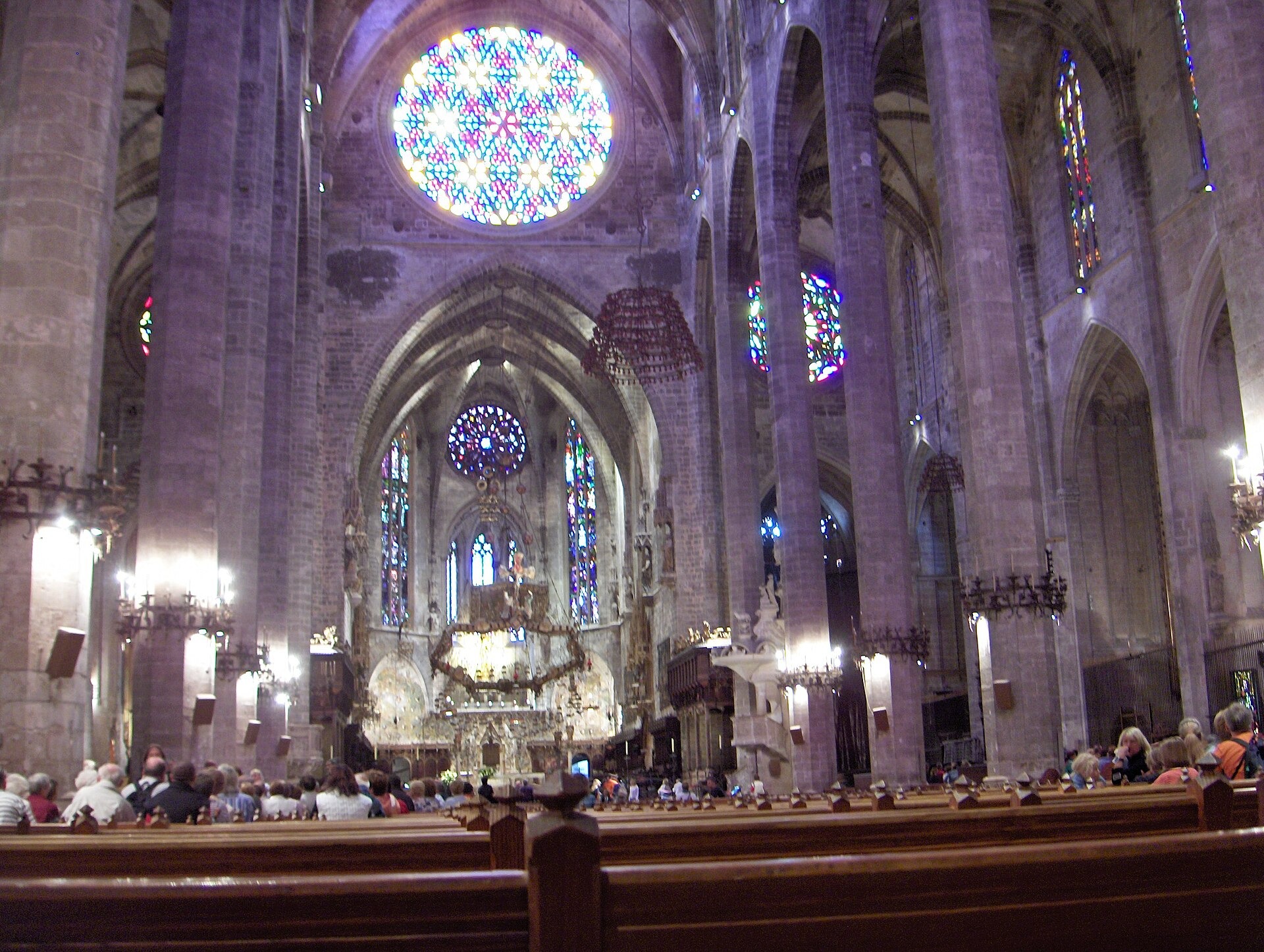
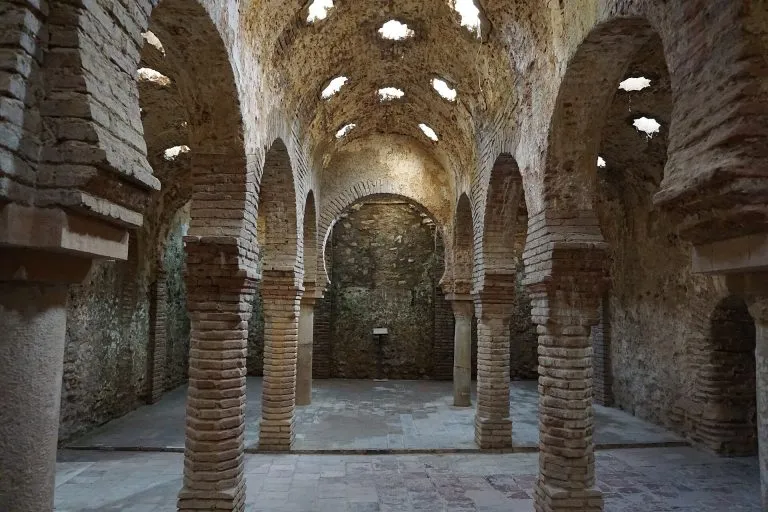
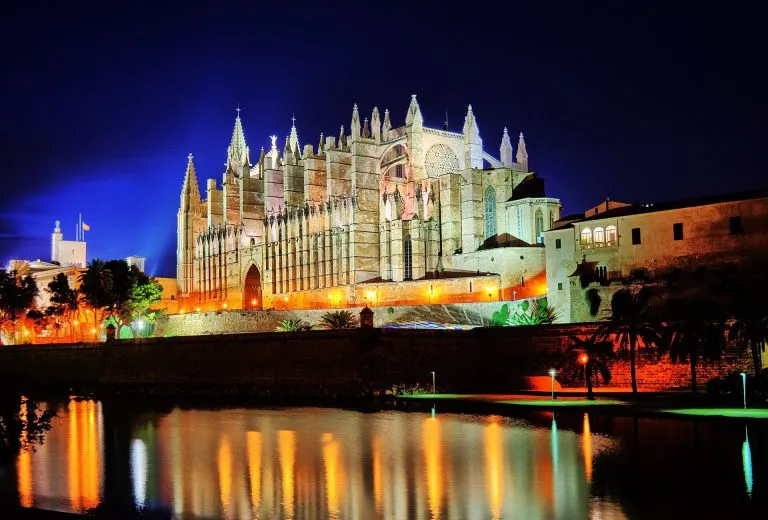
Rain in Palma rarely lasts long, but when a wet day comes, the Old Town has more than enough to fill it. The cathedral is at its most beautiful on a cloudy day, when the light through the great rose window falls across the nave in colour. The Almudaina palace, the Arab Baths, the Es Baluard museum of modern art and the Fundació Miró at Cala Major are all indoors or close to it.
Further afield, the Drach Caves at Porto Cristo stay between 17°C and 21°C all year and are the island’s classic rainy-day trip. Back at Casa Roca, a tasting of Mallorcan wines in the Capitulo bar, or a long afternoon in a suite with a book, are good answers to a grey sky. Our team keeps umbrellas at the door for exactly these days.
“We arrived in Palma in the pouring rain, and someone was there to greet us at the taxi with an umbrella, that first little touch really set the tone for our entire stay… The rooftop is another highlight, absolutely stunning and the perfect place to relax in the afternoon after a full day walking around Palma.”
– Lauren Stibbards, Google review, September 2026
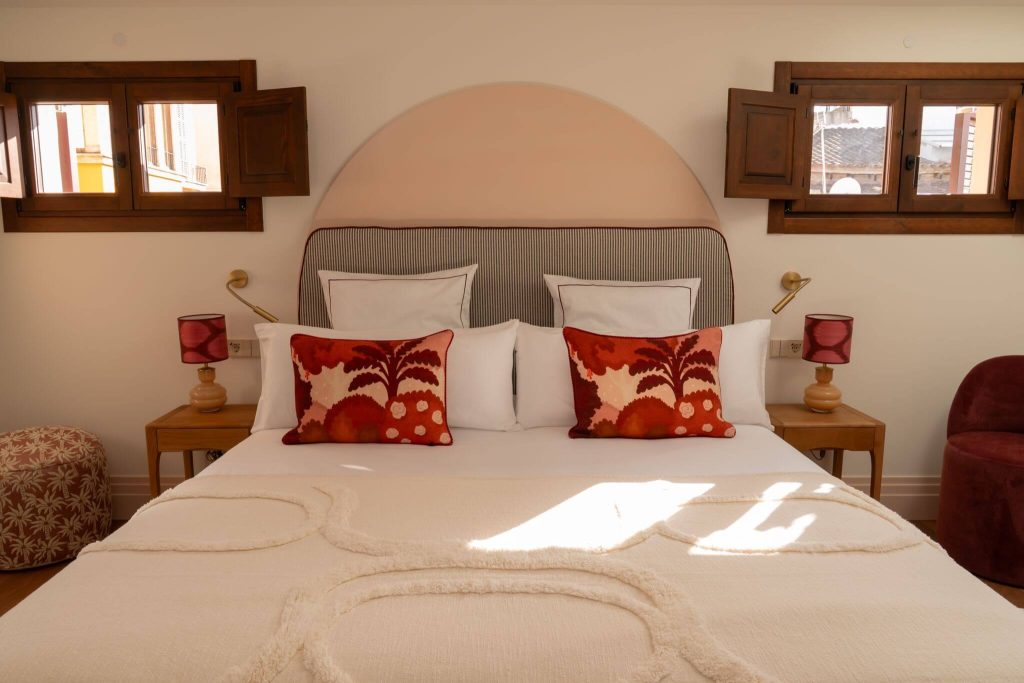
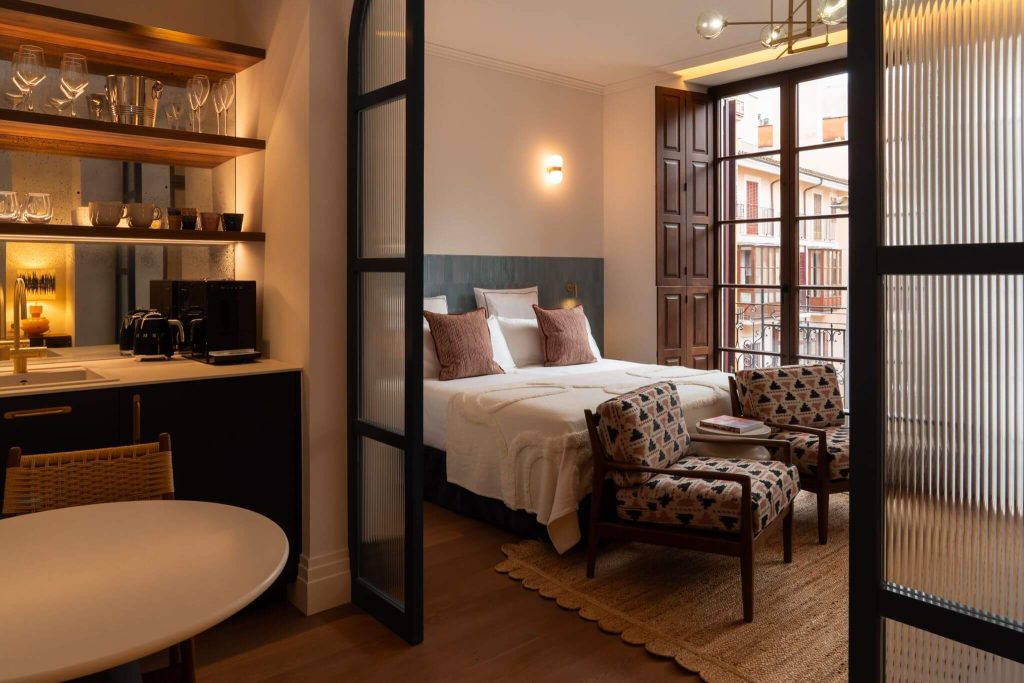
Casa Roca Gallery: Palma Old Town in Every Season
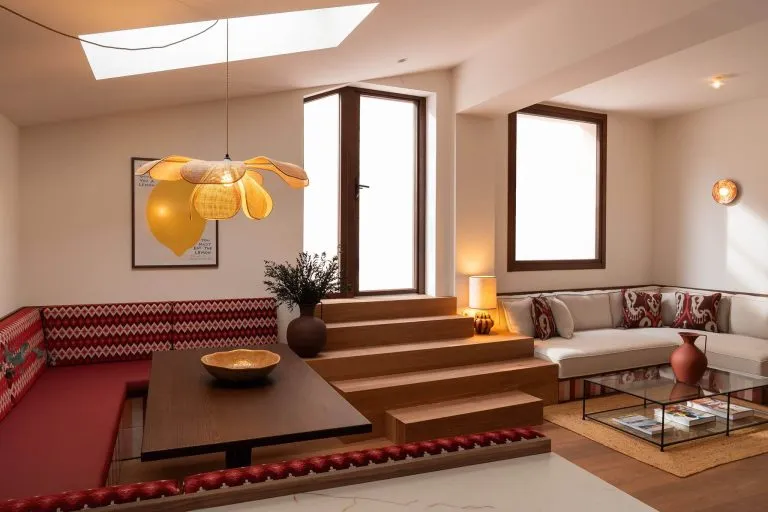
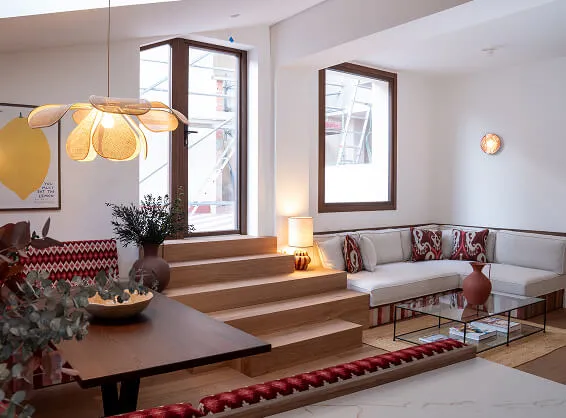
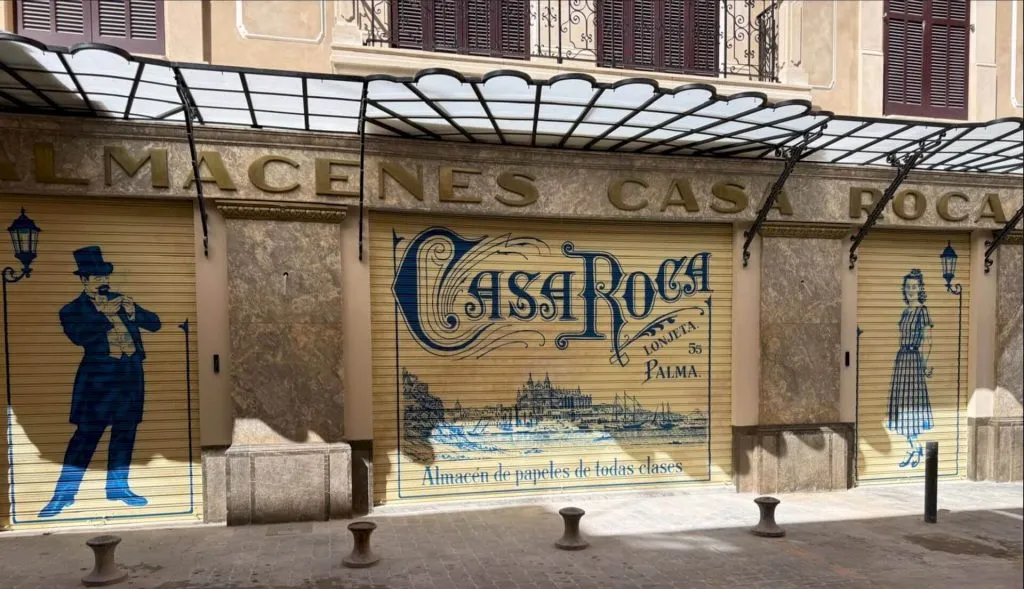
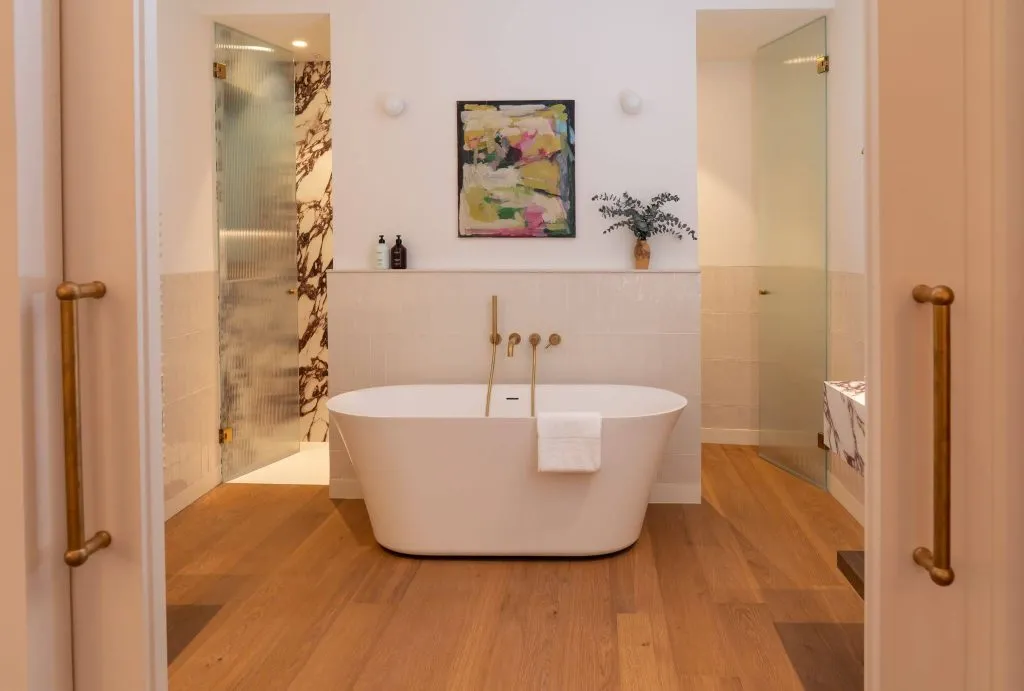
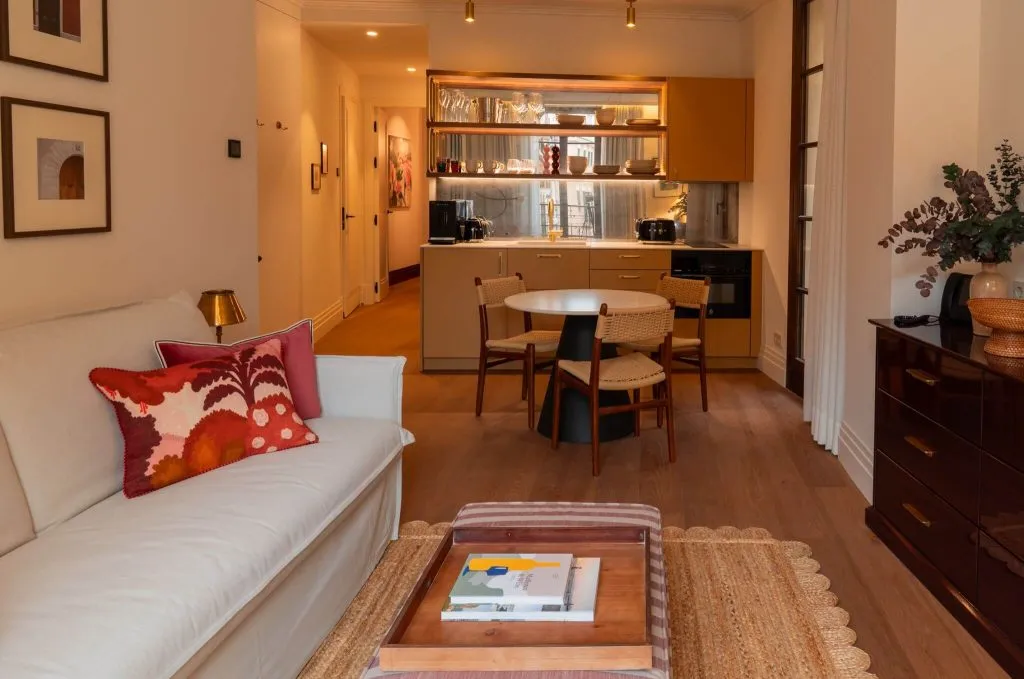
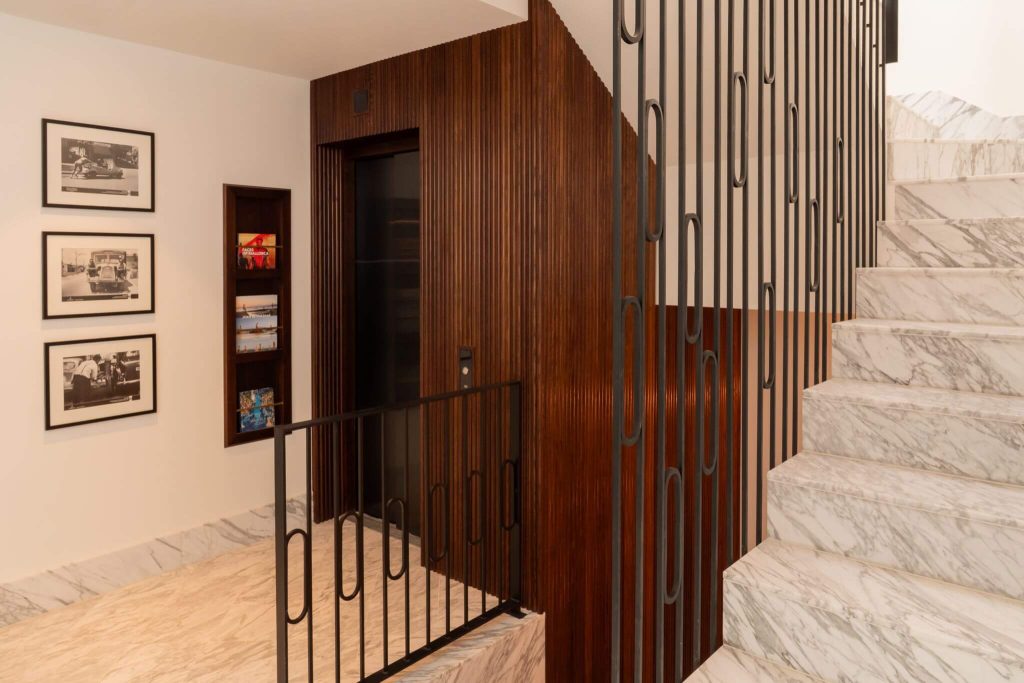
Casa Roca is open all year. In summer the rooftop terrace and the cool marble interiors come into their own; in winter it is the wine bar, the deep sofas and the suites with soaking tubs.
Palma Weather: Frequently Asked Questions
Is Mallorca Hot In October?
Mallorca is warm rather than hot in October. Daytime highs in Palma average about 24°C, nights stay around 17°C, and the sea is still about 23°C. Early October often brings days in the high twenties, while the last week is cooler and the first autumn showers arrive.
How Hot Is Mallorca In October?
Palma averages a high of 24°C and a low of 17°C in October, according to AEMET climate data for the harbour. Inland the afternoons can be a degree or two warmer and the nights cooler. Sunshine averages around 205 hours for the month.
What Is There To Do In Mallorca In October?
October suits swimming in a 23°C sea, walking in the Tramuntana, day trips to Sóller and Valldemossa, and long lunches on the terraces of Palma Old Town. The Palma Marathon and the grape and olive harvests take place this month, and the Drach Caves make a good plan for a rainy day.
What To Wear In Palma De Mallorca In October?
Pack summer clothes for the day, a light jumper or jacket for the evenings, swimwear, and a compact umbrella for the occasional heavy shower. Comfortable shoes with grip are essential, because the stone streets of the Old Town are slippery after rain.
What Is The Weather Like In Mallorca In November?
November in Palma is mild, with highs around 19°C, lows around 12°C and about six days of rain. The sea is still about 20°C early in the month. Sunny days are common between the showers, and the countryside turns green as the olive harvest begins.
Is Mallorca Warm In December?
Mallorca is mild in December. Palma averages a high of about 17°C and a low of about 10°C, warm enough for lunch outside on sunny days but cool in the evenings. The sea is around 17°C, too cold for most swimmers.
What Is The Weather Like In Mallorca In May?
May is warm and sunny, with highs of about 23°C, lows of 15°C, almost 290 hours of sunshine and only around four days of rain. The sea warms to about 19°C, and the sun sets close to nine in the evening.
What Is The Weather Like In Mallorca In September?
September is warm, with highs of about 27°C and lows of 20°C, and the sea at its warmest of the year at around 26°C. The first autumn storms can arrive in the second half of the month, usually as short, heavy showers between sunny days.
Palma Old Town in Every Season at Casa Roca
Whichever month brings you to Palma, Casa Roca is open all year on Carrer dels Hostals: a rooftop terrace for summer evenings, the Capitulo wine bar for winter ones, and suites, apartments and a three-bedroom penthouse in a restored 1847 building.
Check Availability See Suites & Apartments