Top 5 Things to Do in Palma de Mallorca
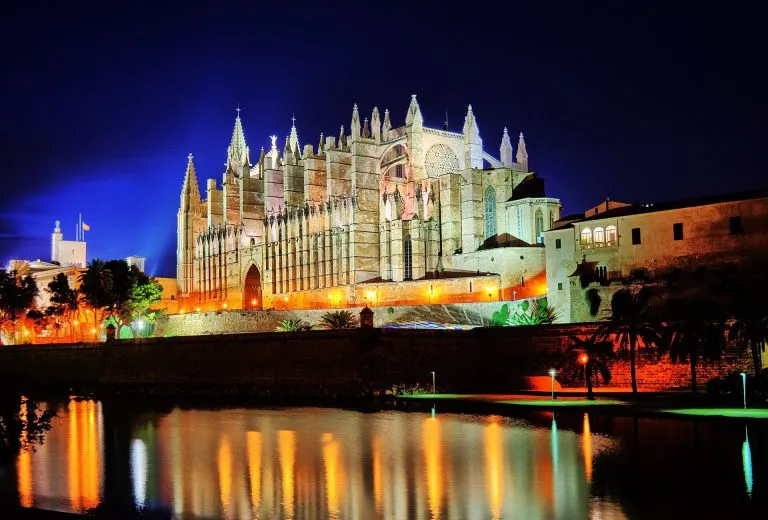
- La Seu Cathedral: one of the great Gothic cathedrals of Europe, on the sea walls.
- Bellver Castle: a round Gothic castle on a wooded hill with views over the whole bay.
- The Old Town on foot: the Almudaina palace, the Arab Baths, Plaça Major and the Born.
- Santa Catalina: the covered market by morning and the restaurant streets by night.
- The seafront: a walk or bike ride from the cathedral to Portixol and a swim on the way.
Every week a guest asks us at breakfast for the list: the things to do in Palma de Mallorca that are actually worth the time. This is the list we give, built from years of living and working in the city. It runs from the cathedral and the castle to the markets, the seafront, the wine bars and the festivals, grouped by area so you can plan a day around each part of Palma.
Palma is a compact city. The historic centre takes twenty minutes to cross on foot, the seafront runs for kilometres in both directions, and the hills, beaches and villages of the island are within an hour. Most of the twenty experiences that follow can be reached on foot from Casa Roca in the Old Town, and the rest are a short bus or taxi ride away.
Things to Do in Palma Old Town
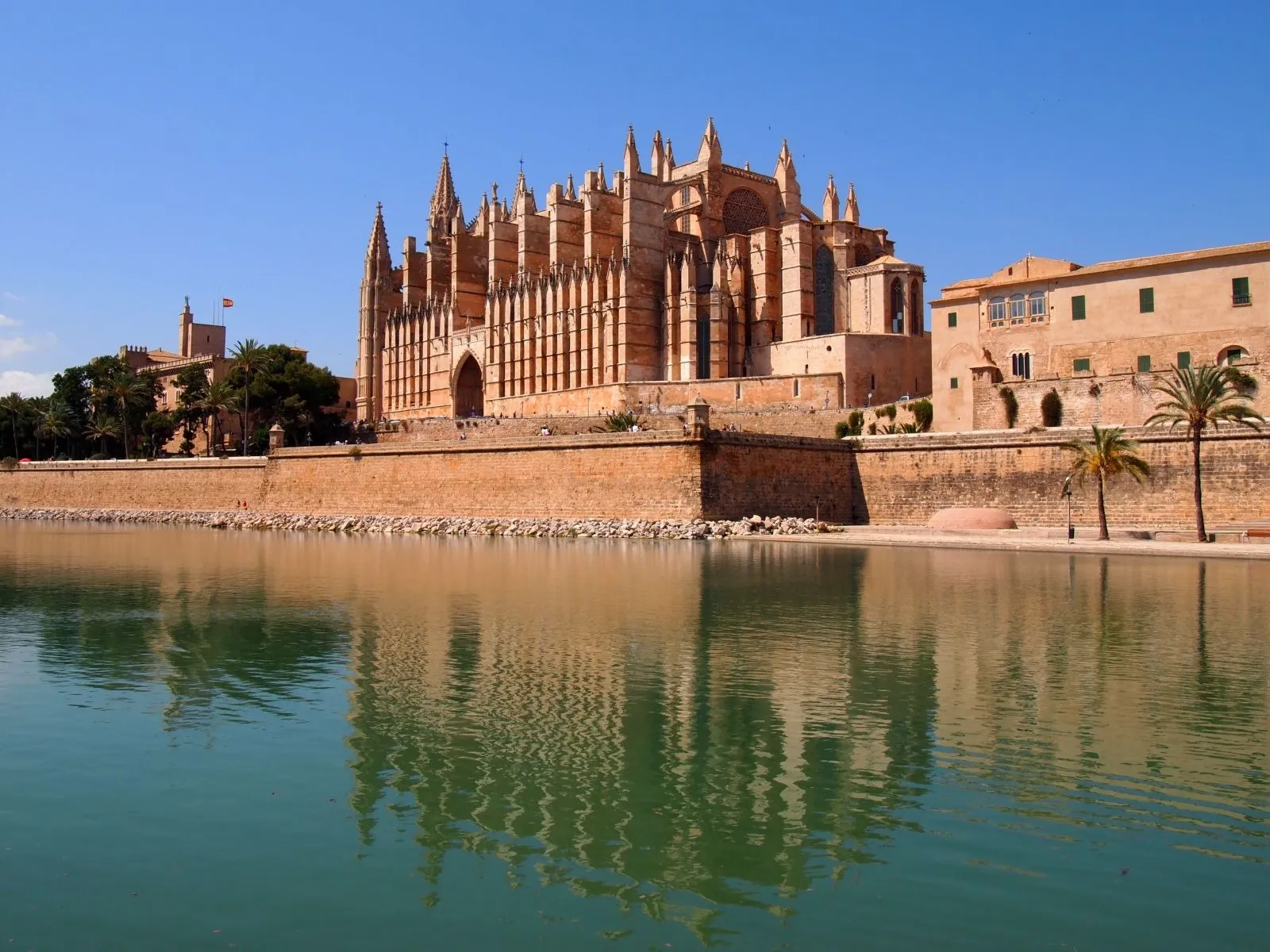
The Old Town is where most visits begin and where the greatest sights are. It is the sandstone quarter behind the medieval sea walls, from the cathedral up to Plaça Major, and the Palma Old Town walking route links all of its sights in a single loop.
1. Visit La Seu, Palma Cathedral
La Seu is the landmark of Palma, a Gothic cathedral begun after the Christian conquest of 1229 and finished in 1601, rising straight from the sea walls. Inside, the nave is one of the tallest of any Gothic church in Europe, the great rose window fills it with coloured light, and Antoni Gaudí’s wrought-iron canopy hangs above the altar.
From April to November it opens to visitors Monday to Friday from 10:00 to 17:15 and on Saturday from 10:00 to 14:15, and closes to tourist visits on Sundays. The Palma Cathedral visitor guide covers tickets, the terraces and the best time to go.
2. Explore the Royal Palace of La Almudaina
Facing the cathedral, the Almudaina was the Moorish fortress of the city, then the palace of the kings of Mallorca, and is still an official residence of the Spanish royal family. The Gothic hall, the royal apartments and the chapel of Santa Anna take about forty-five minutes. It opens Tuesday to Sunday and closes on Mondays, and general admission is €8.
Step out onto the palace terraces for the view over the Parc de la Mar and the bay, and look back at the cathedral from below its great buttresses. On a Monday, when the palace is closed, the walk around its walls through the S’Hort del Rei gardens is a good alternative.
3. Walk the Calatrava Quarter to the Arab Baths
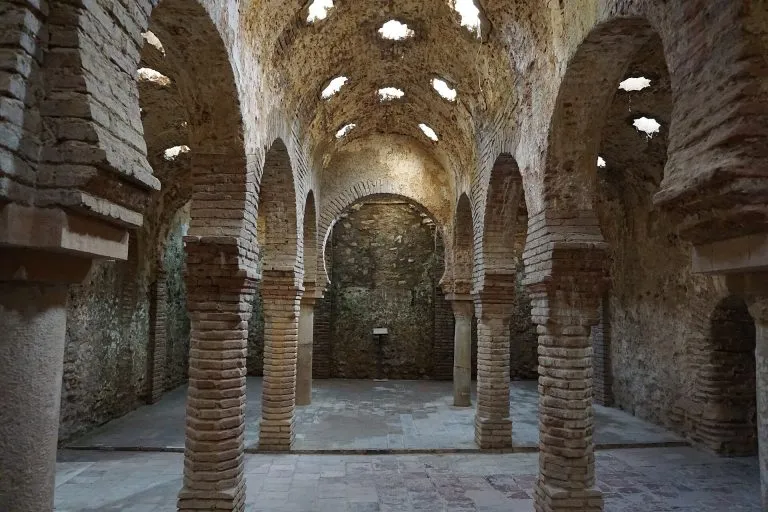
Behind the cathedral, the lanes of Calatrava and La Portella are the oldest in Palma, lined with stone mansions and courtyards. They lead to the Banys Àrabs, a single domed room of horseshoe arches from the Islamic city of the tenth century, set in a shaded garden. Entry is €2.50, and twenty minutes is plenty.
4. Shop from Plaça Major to the Passeig des Born
Plaça Major, the arcaded main square, is the starting point for Palma’s best shopping. Carrer de Sant Miquel, Carrer de Jaume II and Carrer de Sant Feliu lead down to the Passeig des Born, the tree-lined boulevard of the city’s finest shops, with Mallorcan leather, ceramics and design alongside Spanish fashion brands.
5. Lunch at the Mercat de l’Olivar
The Olivar is the city’s main covered market, a few minutes from Plaça Major. Fish and seafood, sobrassada, cheese and fruit fill the stalls, and a ring of tapas bars serves oysters, prawns and a glass of wine at the counter. It opens Monday to Saturday from 07:00 until about 15:00, and lunchtime is the liveliest hour.
Things to Do in Palma Beyond the City Walls
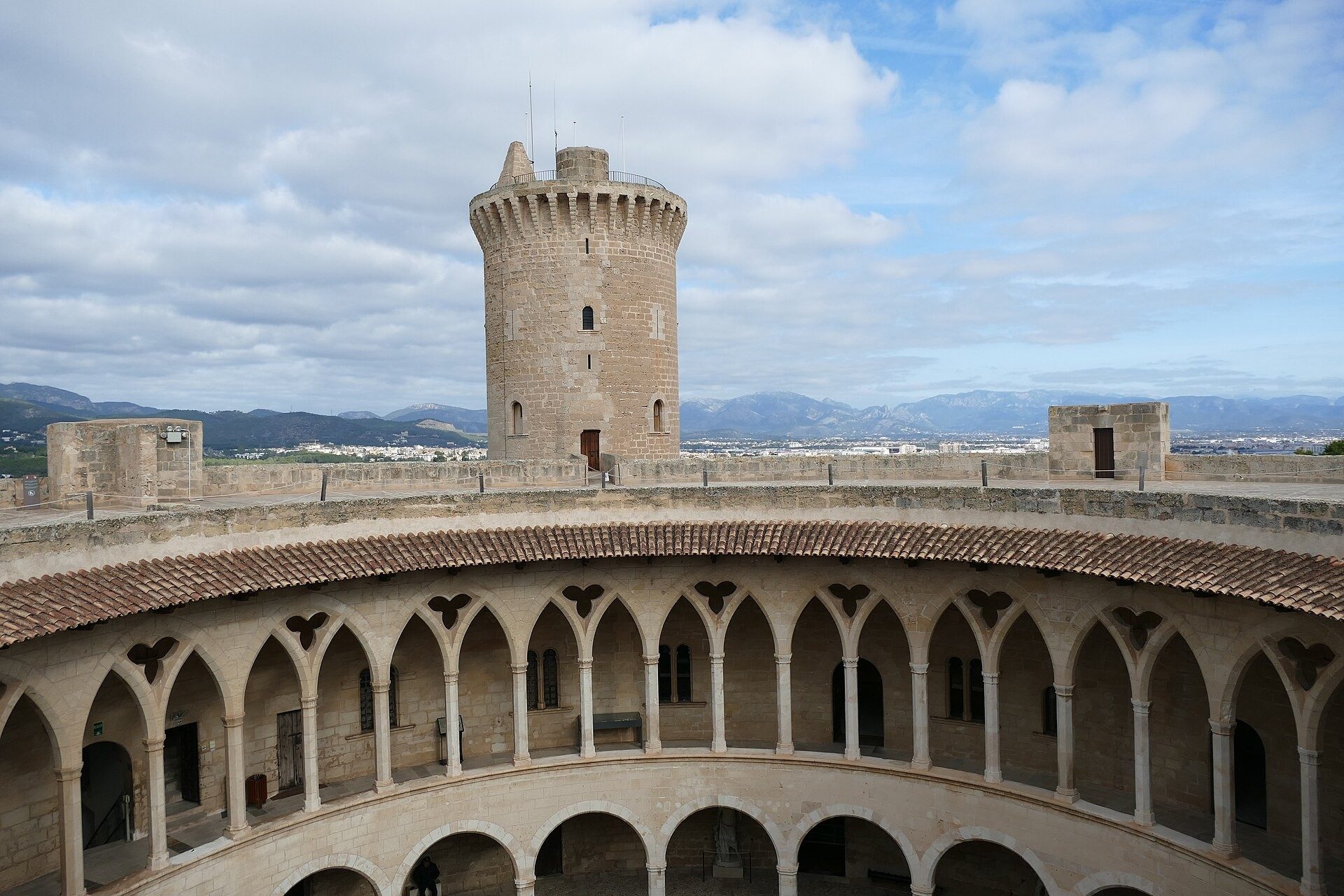
Outside the old walls, Palma has a castle on a hill, two of the best modern art collections on the island, a neighbourhood built around a market and a seafront that runs for miles. All are within a short walk, bus ride or taxi of the centre.
6. Climb to Bellver Castle
Bellver is one of the few circular castles in Europe, built in the fourteenth century for the kings of Mallorca on a wooded hill three kilometres west of the Old Town. Its round courtyard and arcades are beautiful, and the view from the roof takes in the whole bay, the cathedral and the mountains.
It opens Tuesday to Sunday and closes on Mondays, and the ticket is €4, free on Sundays. Take a taxi up and walk down through the pine woods. The Bellver Castle visitor guide has the opening hours, the walking path and the bus routes.
7. See Modern Art at Es Baluard
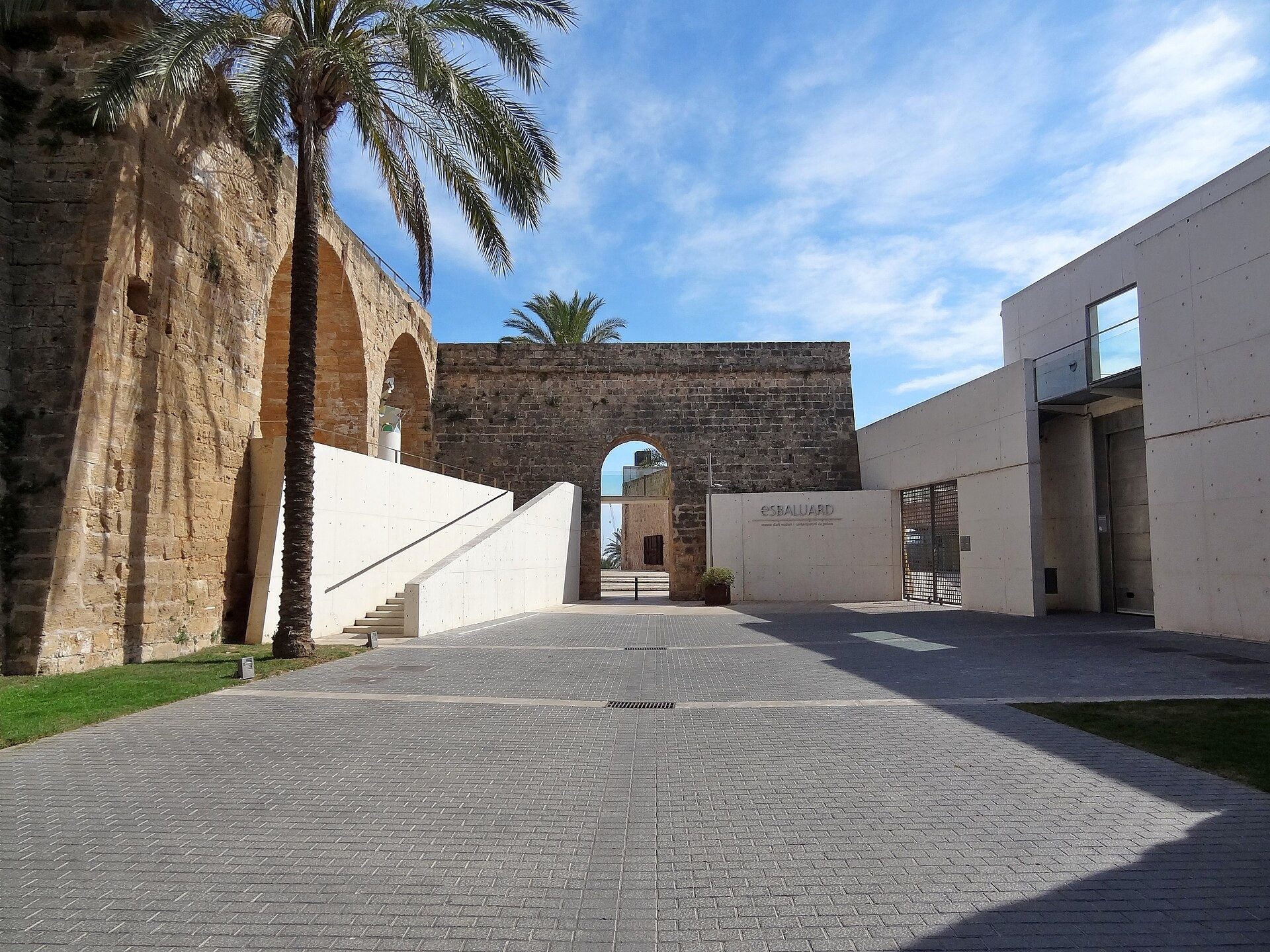
Es Baluard occupies a Renaissance bastion of the city walls at the western edge of the Old Town, with a collection that includes works by Miró, Picasso and Barceló. Its terraces on the ramparts look over the marina. It opens Tuesday to Sunday, closes on Mondays, and on Fridays you pay what you like.
8. Visit Joan Miró’s Studios at Cala Major
Joan Miró lived and worked in Mallorca from 1956, and his home and studios on the hillside at Cala Major are now the Fundació Pilar i Joan Miró. You can see the studio as he left it, with canvases and brushes in place, alongside a gallery of his work and gardens looking out to sea. It is fifteen minutes from the centre by bus or taxi.
The white modernist studio building, designed for Miró by his friend the architect Josep Lluís Sert, is as striking as the work inside. Combine a morning here with a swim at Cala Major below, or with the walk up to Bellver Castle on the same side of the city.
9. Spend a Morning in Santa Catalina
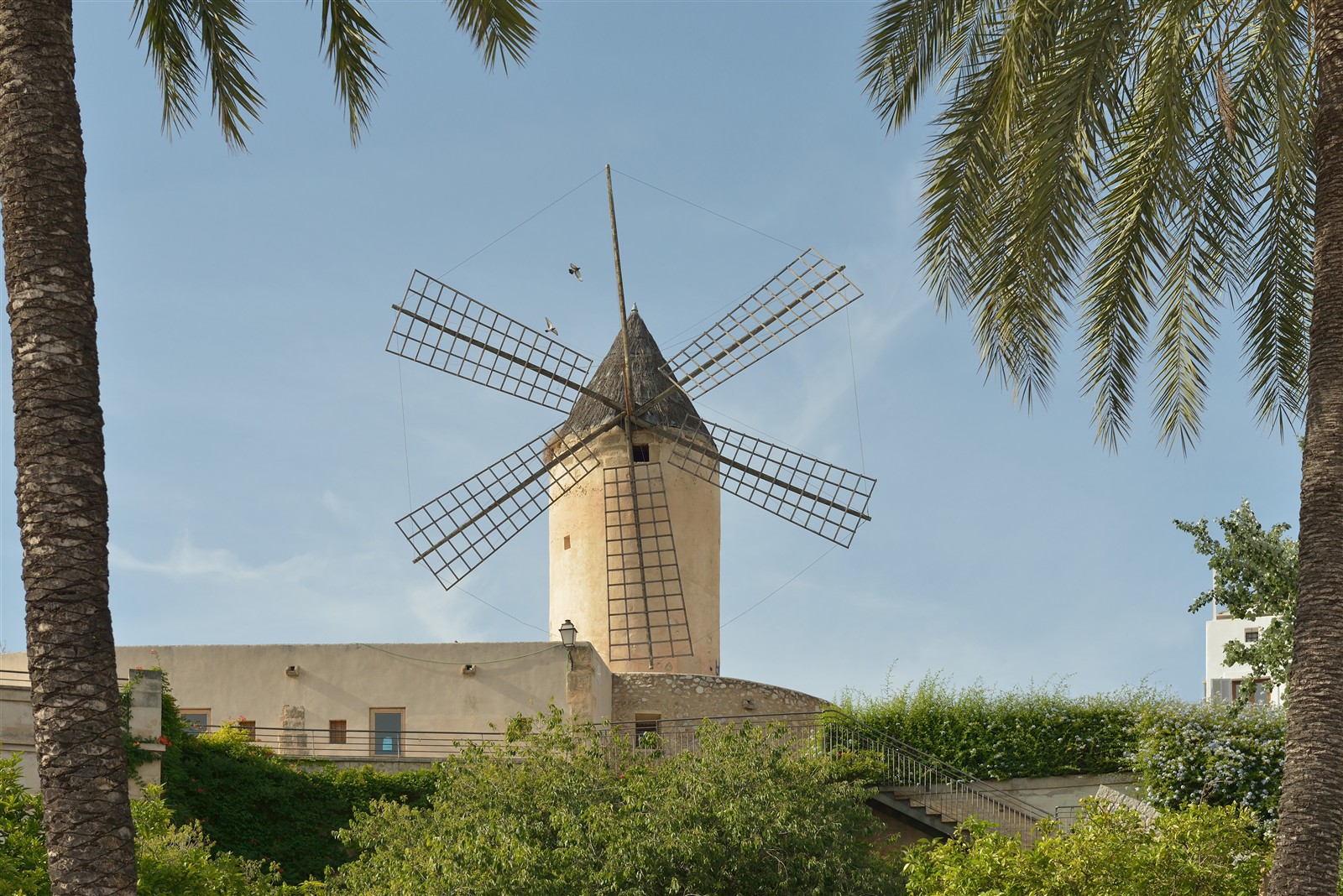
Santa Catalina is the old fishermen’s quarter fifteen minutes west of the Old Town, now the neighbourhood with the best food in Palma. Start at the covered market in the morning, walk up to the windmills of Es Jonquet for the view over the harbour, and come back in the evening for dinner on Carrer de la Fàbrica. The Santa Catalina Palma guide covers the market hours and the restaurants.
10. Walk the Seafront to Portixol and Es Molinar
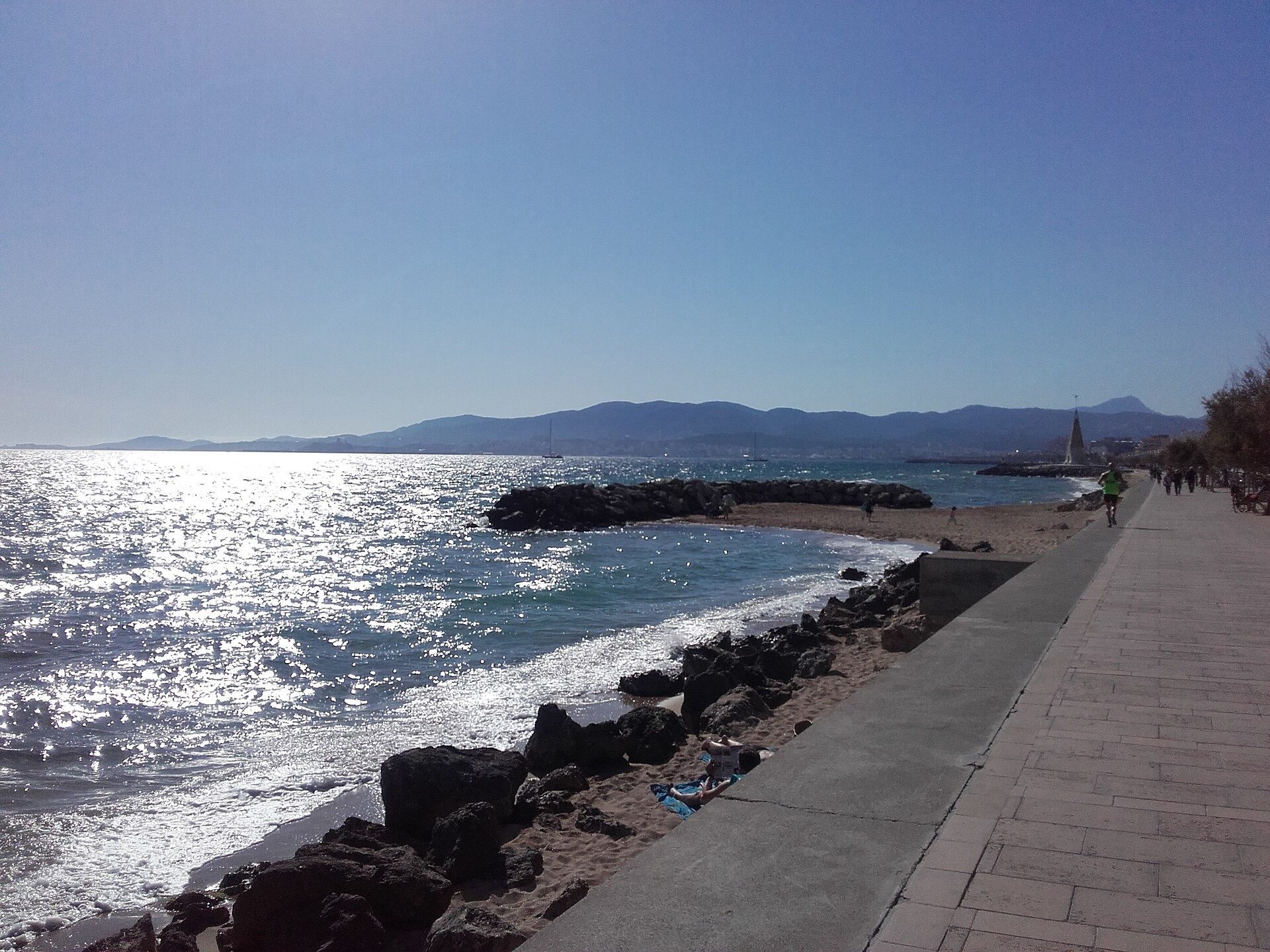
East of the cathedral, a flat promenade runs along the sea past the city beach of Can Pere Antoni to Portixol, a former fishing village with a small harbour, and on to the low houses of Es Molinar. It is about thirty minutes on foot from the Old Town, with a cycle path the whole way, and the restaurants and cafés by the harbour make it a perfect place for brunch or a seafood lunch.
Things to Do in Palma by the Sea
Palma is a city on a bay, and some of the best things to do in Palma de Mallorca are on or beside the water, from a swim on the city beach to a sunset cruise past the cathedral.
11. Swim at Can Pere Antoni, the City Beach
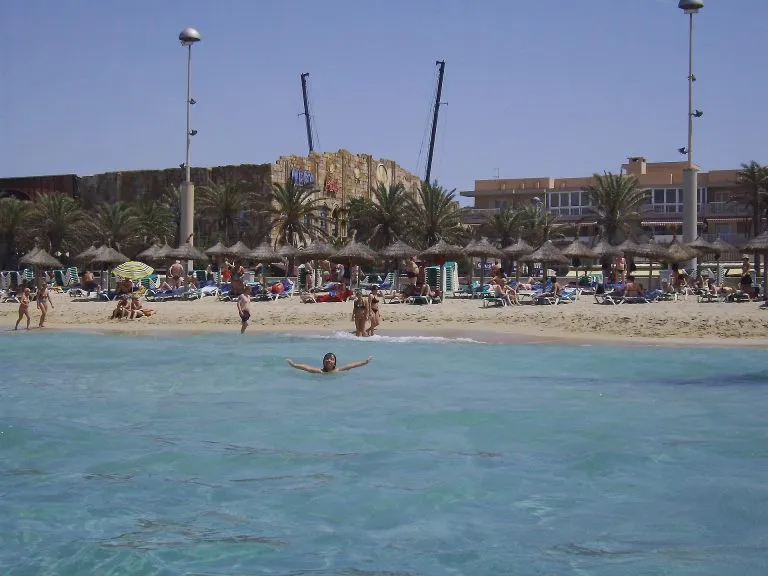
Can Pere Antoni is the sandy beach closest to the Old Town, about fifteen minutes on foot from the cathedral, with views back to La Seu across the water. It has showers and beach bars and is busiest on summer weekends. For longer stretches of sand, Playa de Palma is about twenty-five minutes east by bus, and Cala Major fifteen minutes west.
12. Cycle the Paseo Marítimo
A cycle path follows the bay from the Paseo Marítimo past the cathedral to Portixol and beyond, flat, separated from the traffic and with the sea alongside all the way. Hire a bike or use the city’s public bikes for an easy hour on two wheels, ideally early in the morning or at sunset.
13. Take a Boat Trip on the Bay of Palma
Seeing Palma from the water shows how the cathedral, the castle and the old walls sit above the bay. Catamaran and sailing trips leave from the marina along the Paseo Marítimo for a few hours along the coast, with a swim stop in a cove, and sunset cruises are the most beautiful way to end a summer day.
Most boat trips run from spring to autumn, and the calmest water is usually in the morning. Bring a swimsuit, a towel and sun cream, and book a day ahead in July and August. Our team can recommend the trips guests have enjoyed most and book them for you.
Your Base for Everything in Palma
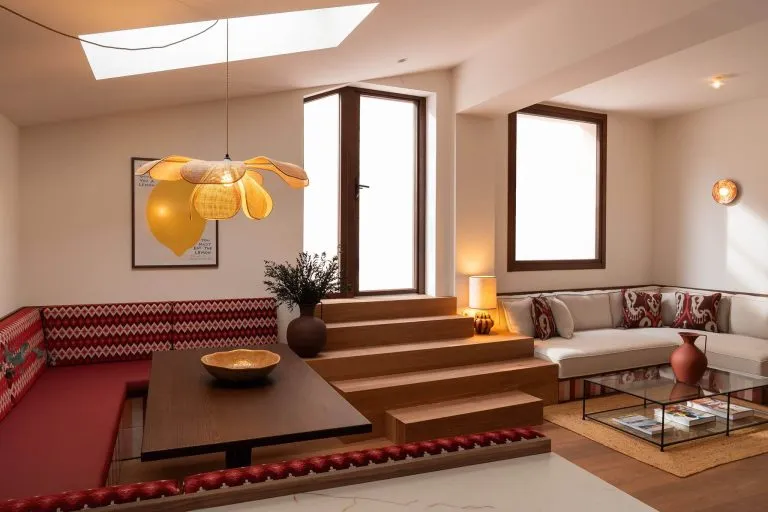
Casa Roca is a restored 1847 building on Carrer dels Hostals in the Old Town, two minutes from Plaça Major and ten from the cathedral. Suites, apartments and a three-bedroom penthouse, with a rooftop terrace and a wine bar downstairs.
Check AvailabilityFood and Drink Experiences in Palma
Eating and drinking well is one of the main reasons to come to Palma. Mallorca has its own pastries, sausages, wines and liqueurs, and the city’s markets, cafés and tapas bars are the best place to try them.
14. Breakfast on an Ensaimada
The ensaimada is Mallorca’s spiral pastry, light and dusted with sugar, and it is best eaten warm with a hot chocolate in one of the Old Town’s historic cafés. Ca’n Joan de s’Aigo, near Santa Eulàlia, has served them for generations. Bakeries sell them in round boxes to carry home on the plane.
Ensaimadas come plain or filled, with pumpkin jam called cabell d’àngel or with cream, and the larger ones are made for sharing on Sunday mornings. The other Mallorcan breakfast to try is pa amb oli, toasted bread rubbed with tomato and olive oil, served with cheese or ham. Breakfast at Casa Roca includes Mallorcan pastries in the Capitulo bar each morning.
15. Taste Mallorcan Wine
Mallorca makes excellent wine, especially around Binissalem, from local grapes such as Mantonegro, Callet and Prensal Blanc. Our Tasting Palma wine and food experiences include a Mallorcan wine tasting with tapas, a market tour with a cooking class and a gastronomic food tour of the city, and the Capitulo bar at Casa Roca pours island wines by the glass every evening.
16. Go for Tapas in La Lonja
The lanes around the Gothic Llotja are Palma’s main tapas and bar quarter. Walk from bar to bar in the early evening for a vermouth, a few plates of pa amb oli, croquettes or grilled squid, and a glass of island wine, before dinner after nine.
17. Try Sobrassada and Mallorcan Cheese
Sobrassada, the soft, paprika-red cured sausage of Mallorca, and Mahón cheese from neighbouring Menorca are on every bar counter. Try them at the market stalls, spread on bread with honey, and take a vacuum-packed piece home; it travels well.
Things to Do in Palma at Night and Through the Year
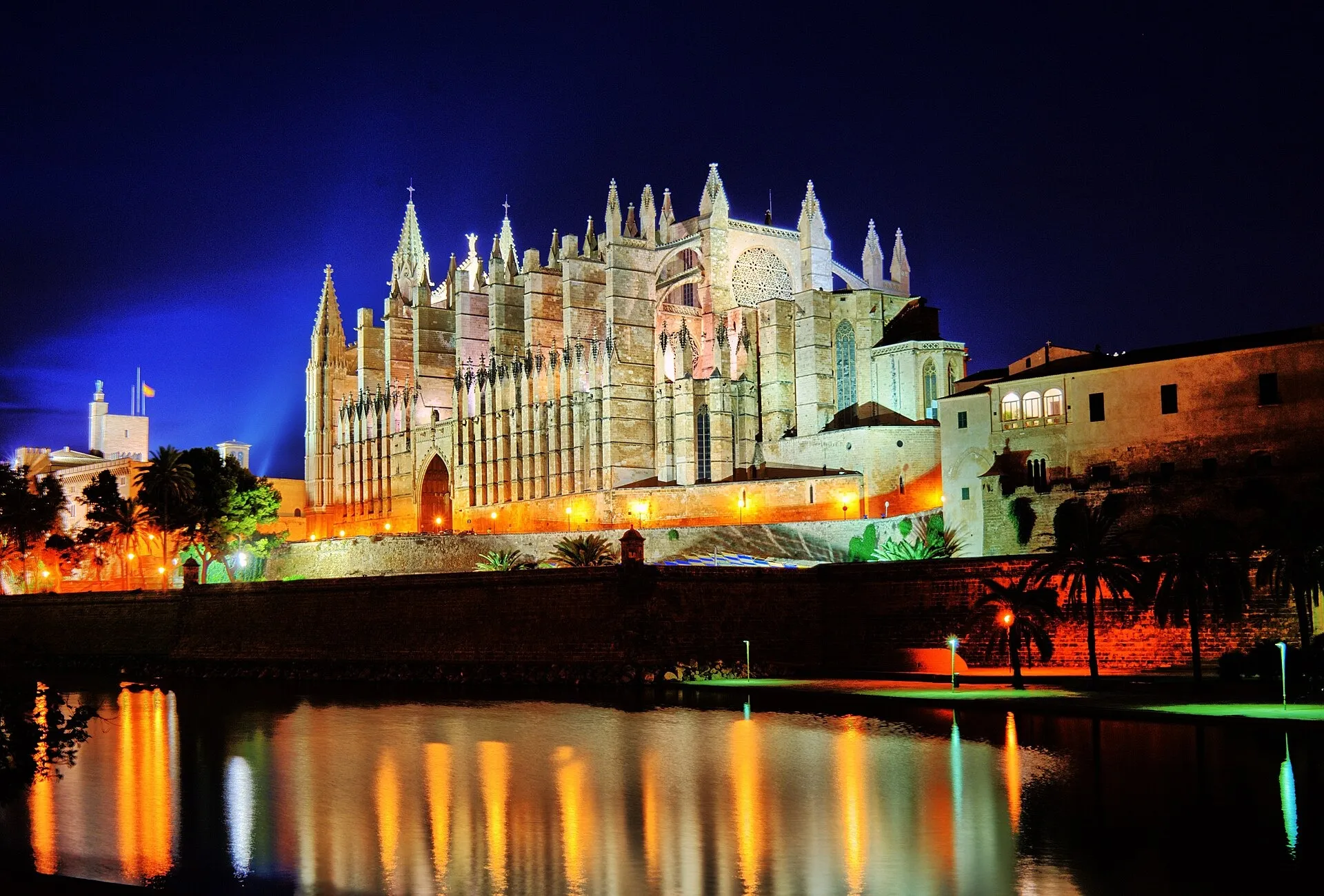
18. See the Floodlit Cathedral at Night
After dark, La Seu is floodlit above the Parc de la Mar and its reflection lies across the lake. Walk down after dinner, or stop on the top of the old sea walls on the way back to the Old Town, for the most memorable view in Palma.
19. Watch the Sunset from a Rooftop
From spring to autumn, a drink on a rooftop above the Old Town at sunset is one of the great pleasures of Palma, with the tiled roofs, the cathedral and the bay turning gold. Several hotels open their rooftop bars to visitors, and guests at Casa Roca have the rooftop terrace to themselves throughout their stay.
20. Join a Palma Festival
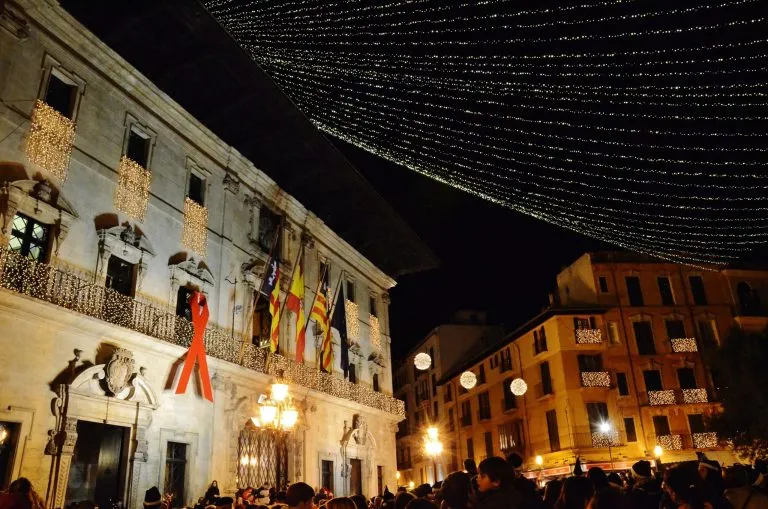
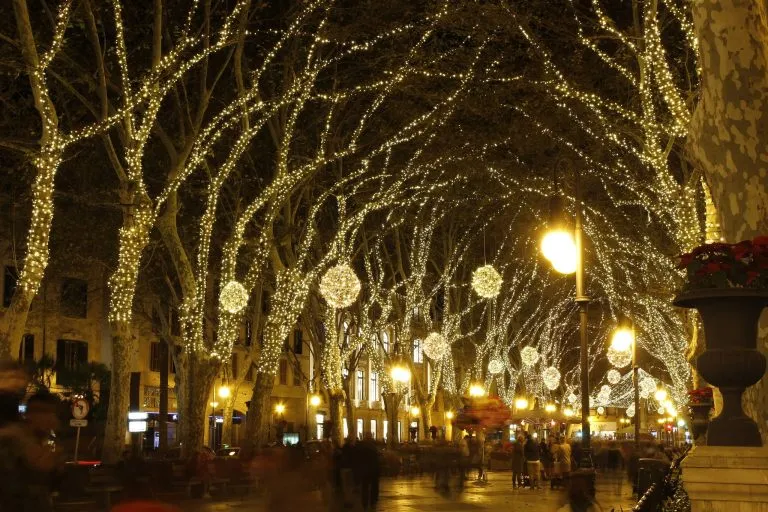
Palma celebrates all year. On the night of 19 January the squares of the Old Town fill with bonfires and concerts for Sant Sebastià, the city’s patron saint. Holy Week brings candlelit processions, the night of Sant Joan on 23 June brings bonfires on the beaches, Nit de l’Art in September opens the galleries late, and December brings the Christmas market to Plaça Major.
Day Trips and Things to Do Near Palma
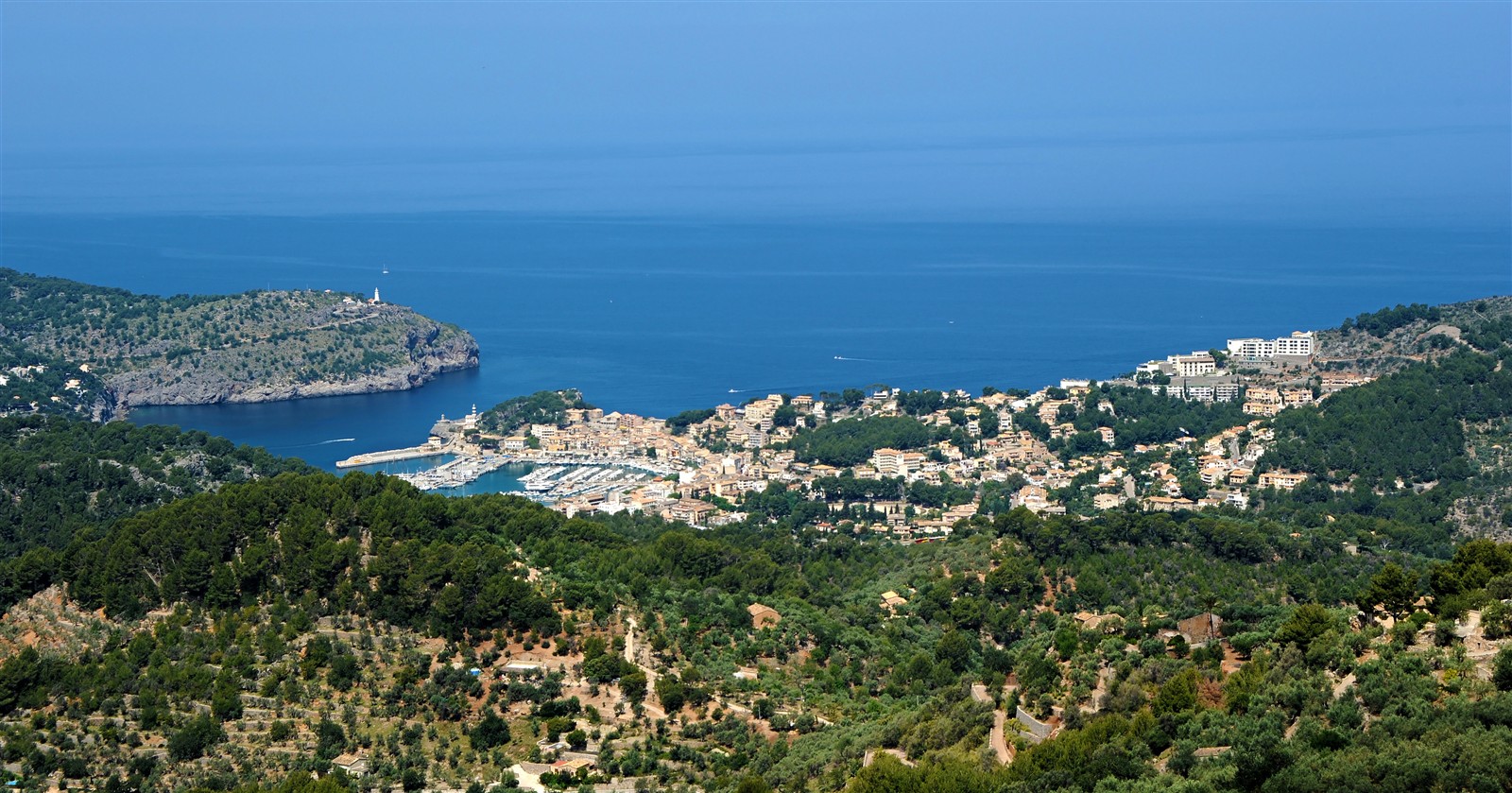
With more than a few days, the rest of Mallorca is within easy reach. The vintage train to Sóller climbs through the mountains in about sixty-five minutes, the village of Valldemossa is thirty minutes away on the 203 bus, and the Drach Caves, Alcúdia and the beaches of the south coast all make good full days out. Interurban buses and trains are free in 2026 with an Intermodal Card.
All of them start from the Estáció Intermodal and the Sóller railway station on Plaça d’Espanya, about ten minutes on foot from Casa Roca. The best day trips from Palma sets out the routes, journey times and prices for each.
How to Plan Your Time in Palma de Mallorca
Three days is the right length for a first visit to Palma: one for the Old Town and the cathedral, one for Bellver, Santa Catalina and the seafront, and one for a day trip into the mountains. With a week you can add the beaches, the Miró studios and a second day trip, and still have afternoons to spare.
| Time in Palma | What to do |
|---|---|
| One day | The cathedral, the Almudaina, the Old Town and lunch at the Olivar market |
| Two days | Add Bellver Castle, Santa Catalina and the seafront to Portixol |
| Three days | Add a day trip to Sóller or Valldemossa |
| Five days or more | Add Es Baluard, the Miró studios, a boat trip, the beaches and a second day trip |
Remember the closing days when you plan. The cathedral is closed to visitors on Sundays, and the Olivar and Santa Catalina markets close on Sundays too. The Almudaina, Bellver and Es Baluard close on Mondays. On a rainy day, the cathedral, the museums and the Drach Caves are the best plans.
“A truly incredible hotel, wow. The property itself is beautifully restored, full of history and heart, and right in the heart of Palma’s Old Town. Service was excellent throughout… Highly highly recommend, we’d happily return.”
– Corey Gudgeon, Google review, September 2026
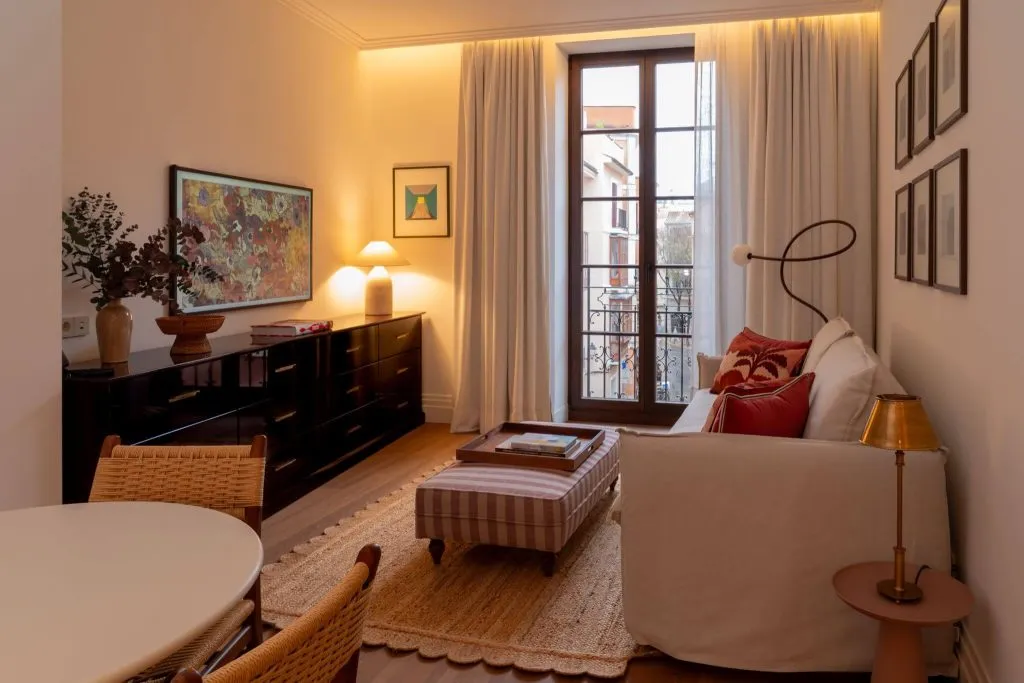
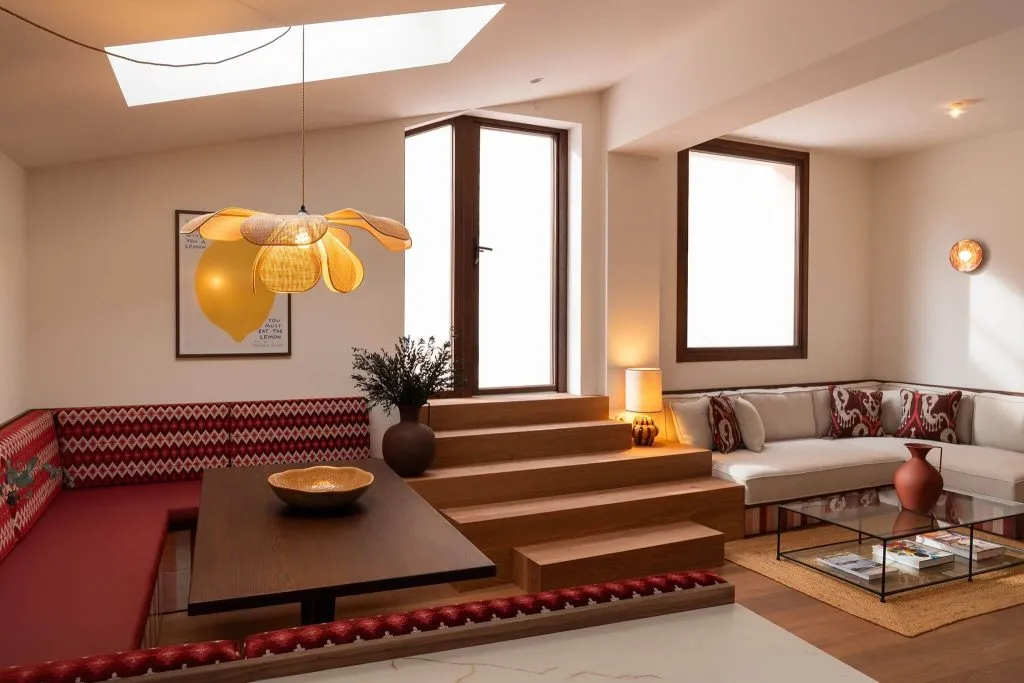
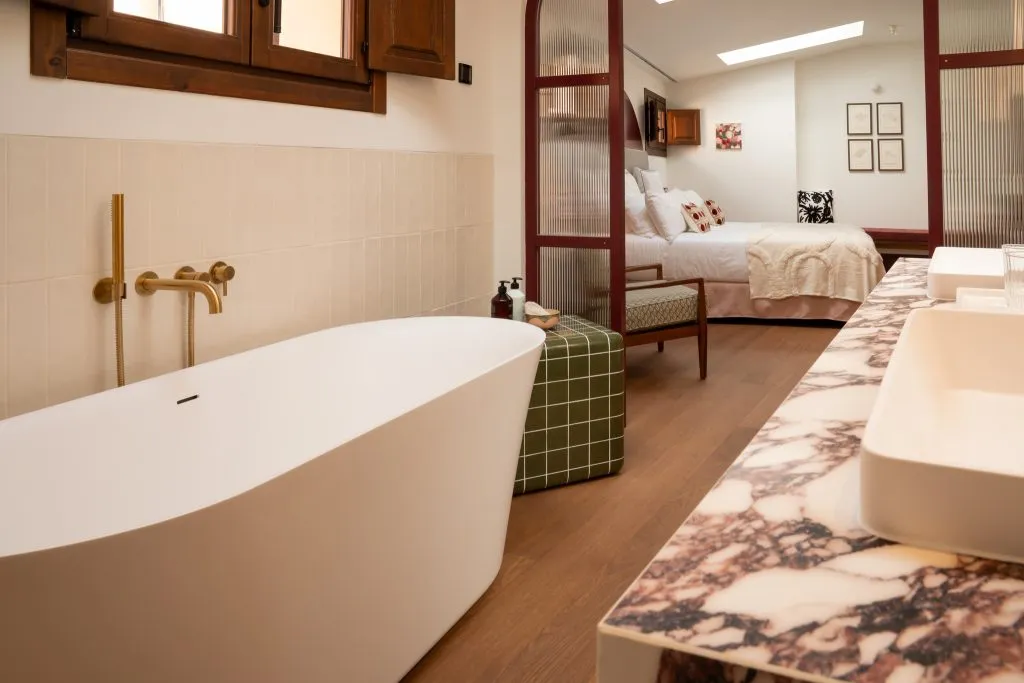
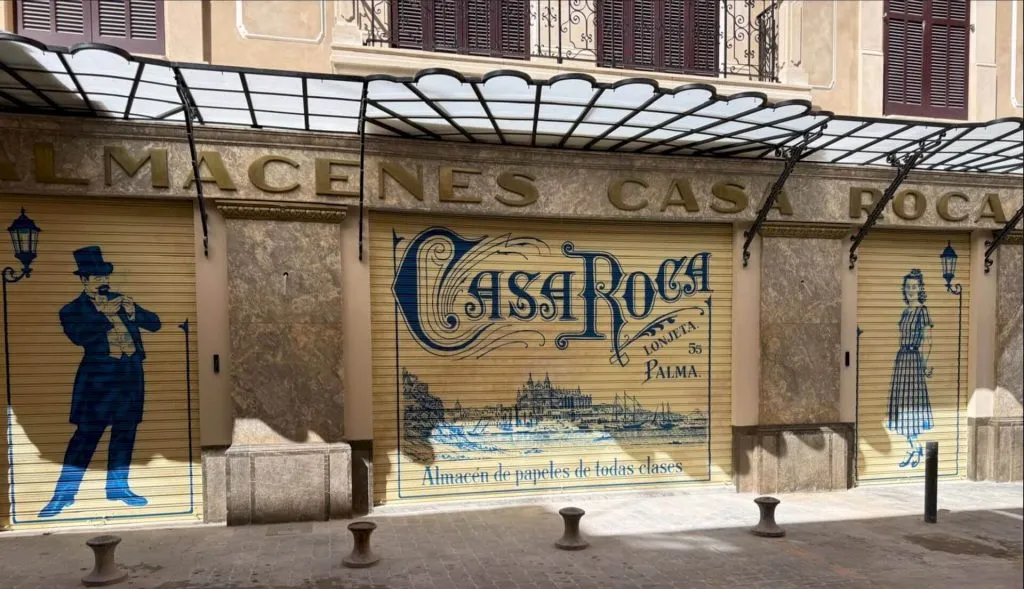
Casa Roca Gallery: Where to Stay in Palma
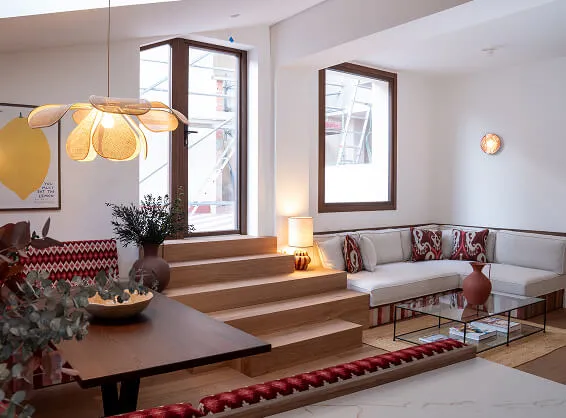
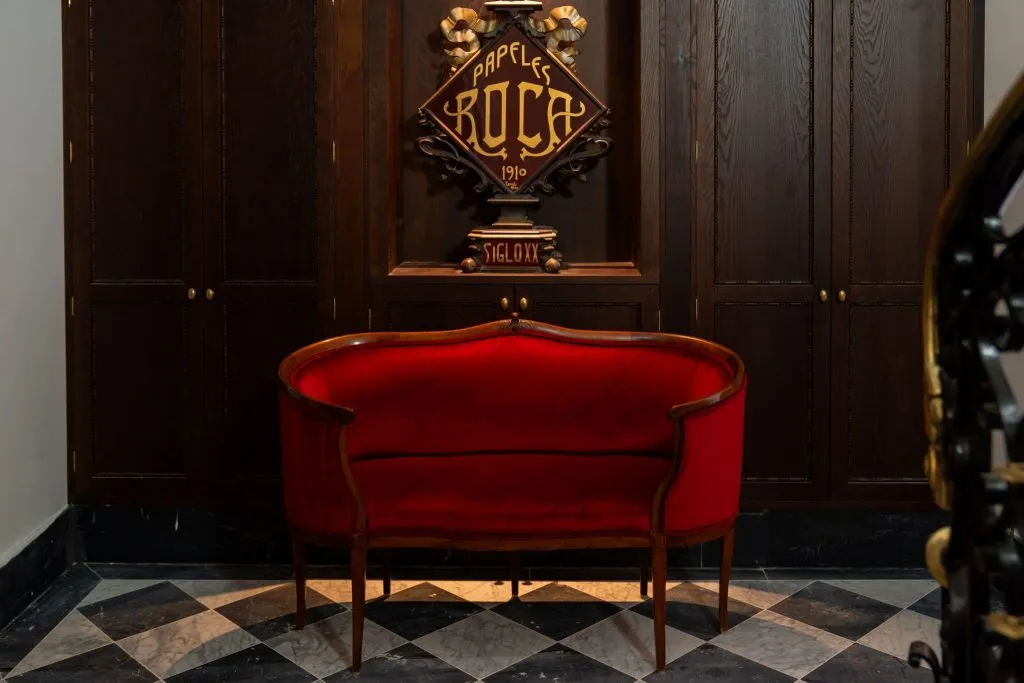
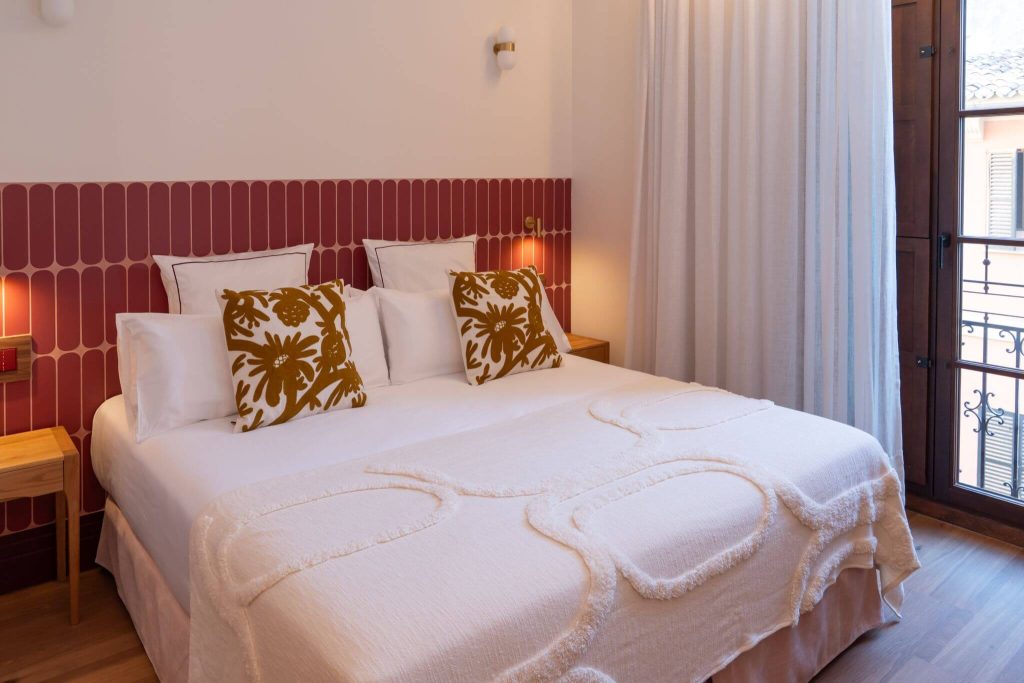
Casa Roca is the restored house of Francisco Roca’s 1847 paper and stationery business, now suites, apartments and a penthouse in the heart of the Old Town.
Things to Do in Palma: Frequently Asked Questions
What Are The Best Things To Do In Palma De Mallorca?
The best things to do in Palma de Mallorca are La Seu Cathedral, the Almudaina palace, Bellver Castle, a walk through the Old Town to the Arab Baths, lunch at the Olivar market, an evening in Santa Catalina, and the seafront to Portixol. Es Baluard and the Miró studios are the best museums.
What To Do In Palma De Mallorca In One Day?
With one day, start at the cathedral at opening time, visit the Almudaina, walk through the Calatrava quarter to the Arab Baths and Plaça Major, and have lunch at the Olivar market. In the afternoon walk down the Born to La Llotja, and end with the floodlit cathedral after dinner.
What Are The Best Things To Do In Palma Old Town?
In Palma Old Town, visit La Seu Cathedral and the Almudaina palace, walk the Calatrava quarter to the Arab Baths, shop between Plaça Major and the Born, have lunch at the Olivar market, and see the cathedral floodlit from the Parc de la Mar at night.
What Are The Best Things To Do In Palma At Night?
At night, watch the sunset from a rooftop, see the floodlit cathedral from the Parc de la Mar, go for tapas and drinks in La Lonja, and have dinner in Santa Catalina. The clubs along the Paseo Marítimo stay open until dawn.
What To Do In Palma De Mallorca When It Rains?
On a rainy day, visit the cathedral, the Almudaina palace, Es Baluard and the Miró studios, have a long lunch at the Olivar market, or take the train and bus to the Drach Caves, which stay between 17°C and 21°C all year.
How Many Days Do You Need In Palma?
Three days is ideal for a first visit: one for the Old Town and the cathedral, one for Bellver, Santa Catalina and the seafront, and one for a day trip to Sóller or Valldemossa. A week leaves time for the beaches and more of the island.
Is Palma De Mallorca Worth Visiting?
Yes. Palma combines a great Gothic cathedral, a royal palace, a medieval Old Town, excellent markets and restaurants, a long seafront and city beaches, with the mountains and villages of Mallorca within an hour. It works as a city break in any season.
What Is There To Do In Palma In Winter?
Winter is a good time for the cathedral, the museums, the markets and long lunches, with mild days of around 15°C. The almond blossom fills the island from late January, the Sant Sebastià festival lights up the Old Town on 19 January, and December brings the Christmas market to Plaça Major.
See the Best of Palma from Casa Roca
Stay on Carrer dels Hostals in the Old Town, two minutes from Plaça Major and ten from the cathedral, the Sóller train and the bus station. Suites, apartments and a three-bedroom penthouse in a restored 1847 building.
Check Availability See Suites & ApartmentsImage credits: Bellver Castle by Kritzolina (CC BY-SA 4.0); Es Baluard by Olaf Tausch (CC BY 3.0); Portixol by Rafael Ortega Díaz (CC BY-SA 4.0); Santa Catalina windmill by Chixoy (CC BY-SA 3.0); Port de Sóller by Geir Hval (CC BY-SA 4.0). Via Wikimedia Commons.